Smart Reading Mode Enabled
Double-click or long-press any difficult word in this article to instantly view its definition.
The Complete Ayurvedic Summer Diet for Optimal Health
Explore Ayurvedic summer diet rules from Charaka Samhita. Discover cooling drinks like Kharjuradi Mantha and Takra to stay hydrated, balance doshas, and boost your vitality.

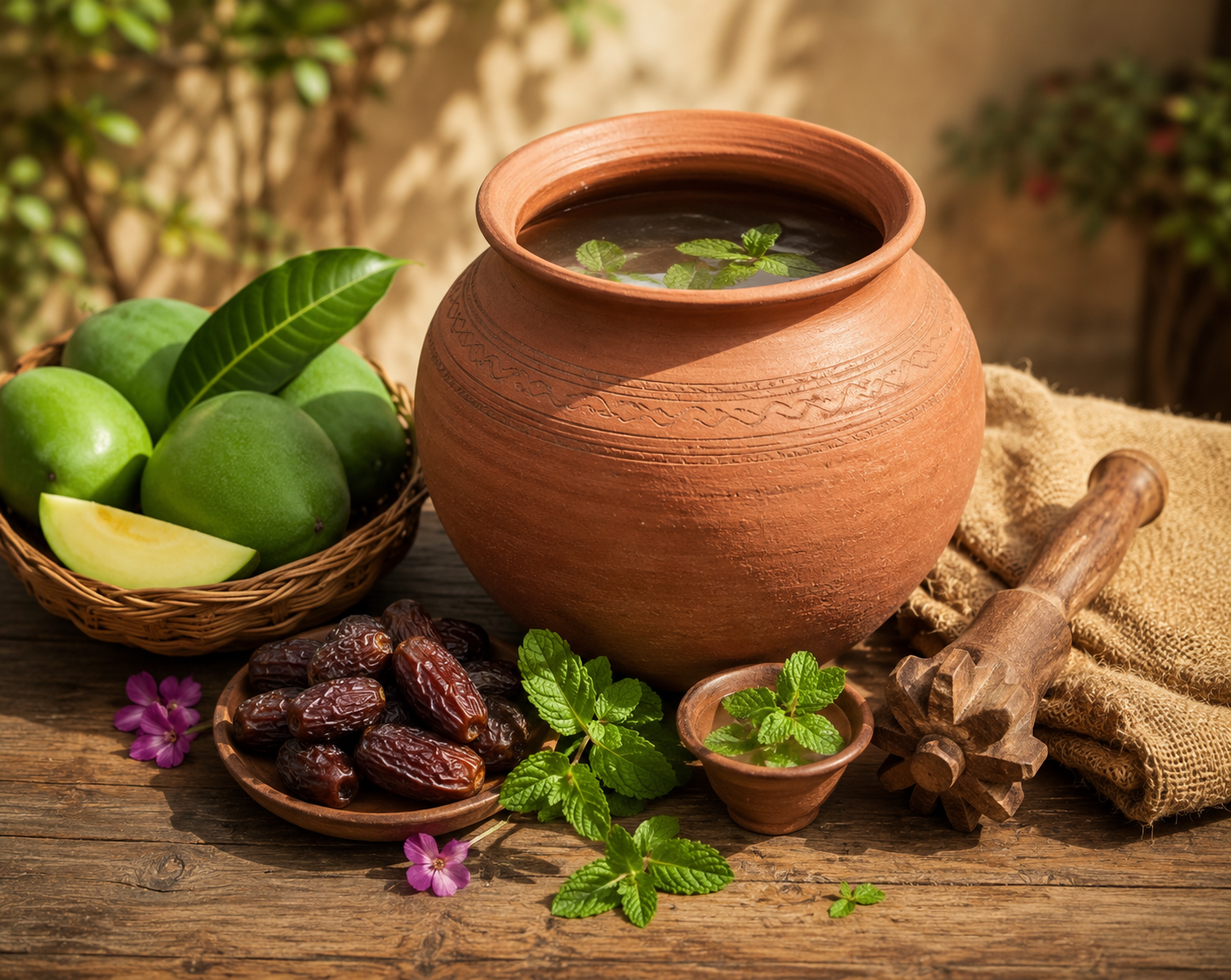
Grishma Ritucharya: A Detailed Clinical Analysis of the Best Summer Foods and Drinks According to Ayurveda (Charaka and Sushruta Samhita)
Adapting diet and lifestyle to seasonal changes is the cornerstone of preventive medicine in Ayurveda. The ancient classical texts—specifically the 'Charaka Samhita' and 'Sushruta Samhita'—present the concept of 'Ritucharya' (Seasonal Regimen) with immense scientific and clinical precision. Among the six seasons, 'Grishma Ritu' (the Summer Season, which lasts approximately from mid-May to mid-July) presents some of the most severe challenges to human physiology.
Grishma Ritu falls under the 'Adana Kala' (Northern Solstice). During this period, the sun's rays become extremely sharp and intense, rapidly absorbing the watery elements (Kapha and Saumya properties) from both the earth and the human body. As a result, the entire environment becomes excessively dry (Ruksha) and hot (Ushna). In this season, the dry quality of Vata reaches its peak, depleting body tissues (Dhatus) and minimizing energy levels.
This detailed research report provides an in-depth analysis of the ancient pharmacological and clinical guidelines for the summer season. It evaluates the top-tier functional foods and therapeutic drinks mandated by the Charaka and Sushruta Samhitas. This analysis presents the exact botanical ingredients, preparation methodologies, traditional and metric dosages, and the multi-systemic health benefits of these formulations with 100% accuracy.
1. Pathophysiology of Summer (Grishma Ritu): Dosha and Agni Dynamics
To fully understand the dietary rules prescribed for summer, it is essential to first analyze the biochemical and bioenergetic changes occurring within the human body. The extreme heat of the external environment triggers a systemic adaptive response internally.
1.1 Analysis of the Tridosha Status
During the summer season, the Tridosha (Vata, Pitta, and Kapha) undergo profound structural and functional fluctuations that directly impact an individual's health:
- Kapha Dosha: The pervasive heat and dryness of the environment lead to the rapid depletion and pacification of Kapha dosha. This reduction in Kapha compromises the lubrication of mucosal membranes, diminishes cellular hydration, and brings overall physical stamina (Bala) to its lowest point.
- Vata Dosha: The inherent dryness (Ruksha guna) of the summer season actively stimulates the accumulation (Chaya) of Vata dosha. If this dryness is not counteracted through unctuous (Snigdha) and hydrating foods, the accumulation quickly turns into aggravation (Prakopa), leading to neuromuscular fatigue, severe dehydration, joint pain, and systemic tissue depletion.
- Pitta Dosha: Although summer is naturally hot and Pitta primarily accumulates during this season (reaching full aggravation in the subsequent monsoon season), constant exposure to piercing heat demands immediate Pitta-pacifying measures. Failure to do so can result in skin inflammations, gastric irritation (Hyperacidity), and hematological (blood-related) disorders.
1.2 The Paradox of Suppressed Digestive Fire (Manda Agni)
A highly significant and paradoxical physiological fact about the summer season is that the 'Jatharagni' (central digestive fire) becomes severely suppressed. As external temperatures rise, the body dilates peripheral blood vessels (Vasodilation) to expel heat through sweating (Diaphoresis). This diversion of blood flow toward the skin leaves the gastrointestinal tract relatively bloodless and "cold."
Consequently, digestive capacity (Agni Bala) drops rapidly to its lowest (Avara) level, making it nearly impossible for the body to digest heavy and complex macronutrients.
2. Core Dietary Principles from Charaka and Sushruta Samhita
In response to physical depletion and weakened digestion during summer, the ancient texts laid down uncompromising dietary rules. The Charaka Samhita (Sutrasthana, Chapter 6) and Sushruta Samhita clarify that specific organoleptic properties must be strictly adhered to in food and drinks to survive and maintain vitality.
2.1 Recommended Qualities (Pathya Ahara)
The summer diet must primarily consist of the following qualities:
- Sweet Taste (Madhura Rasa): Naturally sweet foods (not refined sugar) act as anabolic agents (Brimhana). They rebuild depleted tissues, pacify both Vata and Pitta, and provide dense caloric energy without generating systemic heat.
- Unctuous/Fatty (Snigdha Guna): To counteract the severe dryness of the environment, high-quality lipids, especially cow's ghee (Goghrita) and milk, are essential. This prevents Vata accumulation and lubricates the intestinal mucosal lining.
- Cold Potency (Sheeta Virya): Foods that exert a cooling effect on the body post-digestion regulate internal thermogenesis and soothe irritated gastric mucosa.
- Liquid/Hydrating (Drava): The continuous loss of body fluids demands a high volume of liquid intake. The diet should include fluids (Mantha, Panaka, Takra) that are rapidly absorbed without taxing the weak digestive system.
- Light to Digest (Laghu): Because the digestive fire is weak, all caloric intake must be extremely easy to digest. Old grains (like aged barley, wheat, and rice) are preferred over newly harvested grains, which are heavy.
2.2 Prohibited Qualities (Apathya Ahara)
To prevent the dangerous aggravation of Pitta and Vata, classical literature strictly forbids foods with the following properties:
- Pungent (Katu), Sour (Amla), and Salty (Lavana) Tastes: These tastes are inherently thermogenic and fluid-depleting. They induce excessive sweating, cause cellular dehydration, and provoke inflammation in the stomach lining.
- Hot (Ushna) and Heavy (Guru) Foods: Heavy, deep-fried, or highly complex foods lead to digestive stasis. Due to a lack of digestive capacity, these foods remain undigested and lead to the formation of 'Ama' (endotoxins), the root cause of systemic diseases.
Based on these strict biochemical parameters, classical literature offers a highly specific repository of functional drinks and foods designed to cool the body, hydrate tissues, and sustain intellect.
3. Ancient Elixirs: Hydration Therapy and Specific Drinks
In Ayurveda, the concept of hydration goes far beyond merely drinking water. While essential, water must often be fortified with electrolytes, antioxidants, and cooling herbs to ensure it penetrates deeply into the intracellular matrix.
3.1 Kharjuradi Mantha: The Ultimate Neuro-Tonic and Coolant
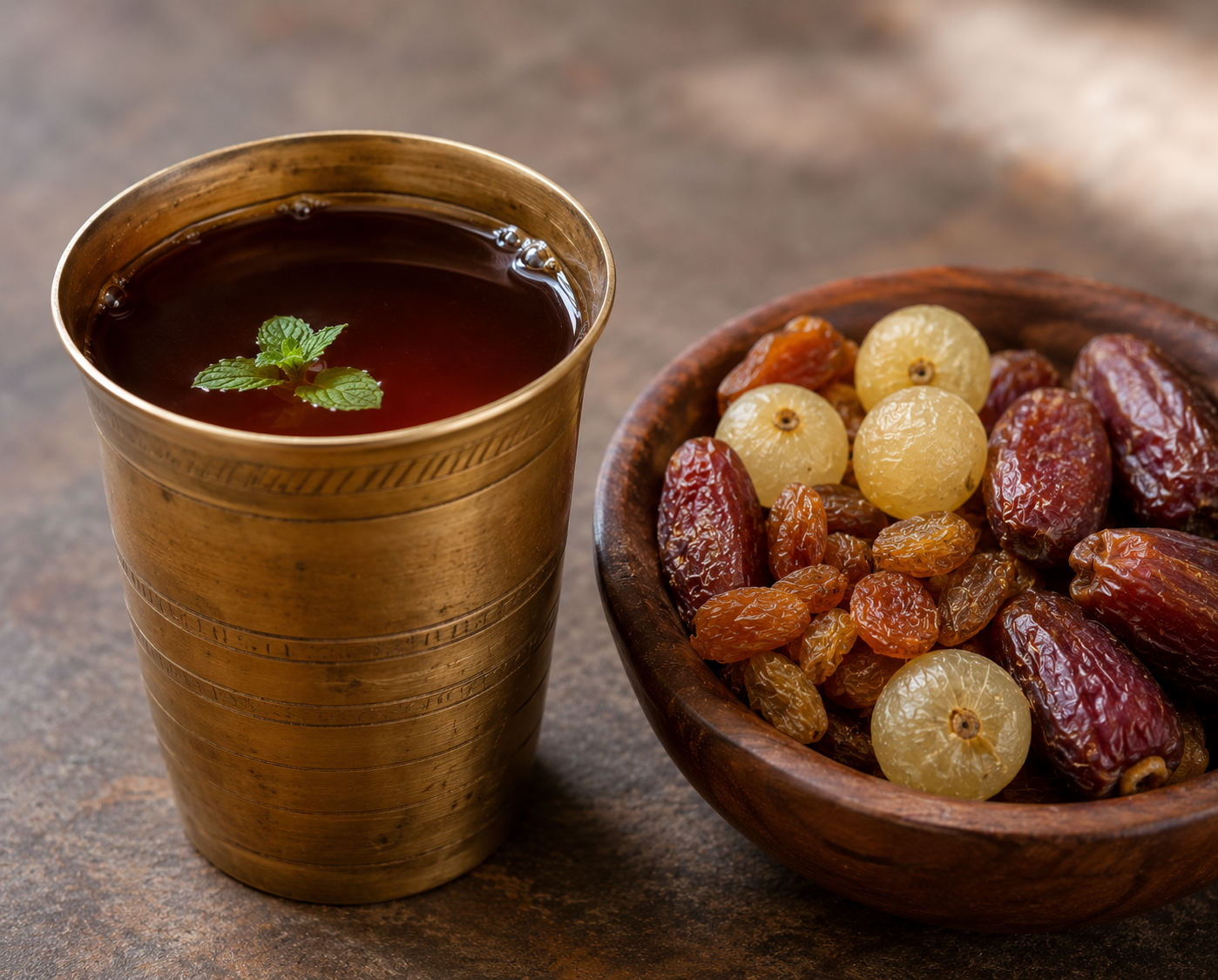
'Mantha' is a specialized Ayurvedic liquid dosage form, prepared by churning the coarse powder or pulp of medicinal substances/fruits in cold water. 'Kharjuradi Mantha', detailed extensively in the Charaka Samhita and Bhavaprakasha Nighantu, is a premier therapeutic formulation for intense heat, mental fatigue, and clinical dehydration.
3.1.1 Pharmacological Composition
This formulation relies on a synergistic blend of dry fruits and herbs that collectively exhibit potent free-radical scavenging, hepatoprotective (liver-protecting), and psychotropic (mind-calming) benefits.
| Ingredient | Botanical Name | Traditional Action | Modern Bioactivity |
|---|---|---|---|
| Kharjura (Dates) | Phoenix dactylifera | Balya (Strength promoter), Pacifies Vata-Pitta | Replenishes potassium and magnesium, anti-inflammatory, reduces mental stress. |
| Draksha (Raisins) | Vitis vinifera | Daha prashamana (Relieves burning sensation), Brain tonic | Hepatoprotective, cardioprotective, rich in B-complex vitamins. |
| Amalaki (Amla) | Emblica officinalis | Rasayana (Rejuvenator), Balances Tridosha | High Vitamin C, protects 'Rakta Dhatu' (blood) from heat-induced inflammation. |
| Vrikshamla (Kokum) | Garcinia indica | Pitta pacifier, Ruchya (Appetizer) | Mood enhancer, reduces systemic inflammation. |
| Amlika (Tamarind) | Tamarindus indica | Pacifies Vata-Pitta, Deepana (Digestive stimulant) | Aids in detoxification, increases appetite without heating the body. |
| Dadima (Pomegranate) | Punica granatum | Hridya (Cardiac tonic), Trishnanigrahana (Quenches thirst) | Improves circulation, rich in dietary fiber and antioxidants. |
| Pippali (Long Pepper) | Piper longum | Agni Deepana (Digestive stimulant) | Enhances nutrient bioavailability, keeps the mind calm and focused. |
3.1.2 Preparation Methodology
The preparation of Kharjuradi Mantha is a precise pharmaceutical process designed to extract water-soluble vitamins and natural sugars without the application of heat:
- Measurement: Take equal parts of seedless dates, raisins, amla pulp, kokum petals, and pomegranate arils (traditionally 1 Pala or 48 grams each).
- Soaking: Immerse these ingredients in cold water. The classical ratio is 1 part herbs to 4 parts water (approx. 300-400 ml). Soak for 3 to 4 hours, or ideally overnight, until the cellular matrix of the dry fruits softens and swells.
- Maceration and Churning: The softened mixture is macerated by hand or using a traditional wooden churner. It is churned continuously until it transforms into a homogeneous, thick, reddish-brown liquid with a slightly sour aroma.
- Filtration and Fortification: The liquid is strained through a clean cotton cloth. A pinch or two of Pippali powder is added for digestion. Although naturally sweet, 2 teaspoons of organic jaggery or rock sugar (Mishri) can be added to taste.
3.1.3 Dosage and Clinical Benefits
- Dosage: The standard therapeutic dose is 2 Pala (approx. 96 ml), to be consumed in the morning or during the peak heat of the afternoon.
- Clinical Indications: It is explicitly recommended for 'Sadya-Tarpana' (instant systemic nourishment), physical fatigue (Shrama), and mental exhaustion. Furthermore, the Charaka Samhita prescribes it as a gold-standard treatment for 'Madatyaya' (alcohol intoxication and resultant liver stress). It rapidly metabolizes residual toxins, stabilizes blood sugar, and rehydrates hepatic tissues.
3.2 Panaka: The Science of Ayurvedic Sherbets
(Aam Panna)
The term 'Panaka' refers to sweet, sour, and spiced sherbets or fruit juices heavily diluted with water. These formulations are specifically designed to quench 'Trishna' (excessive thirst) and rapidly restore electrolyte balance.
3.2.1 Panchasara Panaka
Documented in the Ashtanga Hridaya and subsequent Nighantus, 'Panchasara Panaka' derives its name from "Pancha" (five) and "Sara" (essence)—utilizing the extracts of five distinct fruits.
- Ingredients: 1 part each of: Madhuka (Mahua fruit), Kashmari (Gambhari), Kharjura (Dates), Parushaka (Phalsa fruit), and Draksha (Raisins). Modern adaptations sometimes include edible camphor (Karpura) as a cooling aromatic element.
- Preparation: The juices of these five fruits are extracted and blended into a homogeneous mixture. Rock sugar (Khanda) or jaggery is dissolved into it based on taste. Finally, a minuscule amount of edible camphor is added.
- Benefits and Dosage: Consumed in doses of 100-150 ml. It acts as an excellent 'Vrishya' (aphrodisiac and invigorator). It is highly recommended for neuropathic burning sensations (Daha), acute gastritis, and extreme thirst. It magically lowers core body temperature.
3.2.2 Ram Navami Special Lemon Panakam
A highly accessible and immensely popular summer cooler referenced in the Sushruta Samhita and ancient Indian traditions is the Lemon and Jaggery Panakam, traditionally offered to deities during summer festivals (like Ram Navami).
- Ingredients: 1 liter (4 cups) of cold water, 2 tablespoons fresh lemon juice, 10 tablespoons pure jaggery powder, 2 teaspoons fresh ginger juice, 4 finely crushed green cardamoms, and 12 strands of saffron. A pinch of nutmeg can optionally be included.
- Pharmacodynamics: Jaggery provides unrefined carbohydrates and substantial iron; it is deeply nourishing but balanced by the cooling nature of water. Dry ginger or ginger juice ignites the suppressed summer digestive fire without aggravating Pitta. Cardamom acts as an aromatic carminative, while lemon juice stimulates digestive secretions.
- Preparation: Cardamom and saffron are finely ground in a mortar and pestle. Water is placed in a large earthen bowl, and the lemon juice, ginger juice, spices, and jaggery are added and stirred vigorously until no lumps remain.
- Dosage: 1 to 2 glasses daily. It effectively prevents dehydration, soothes post-meal gastric bloating, and establishes a harmonious balance between Vata and Kapha doshas.
4. Rejuvenating Foods: Dairy and Fruit Synergy
Ayurveda urges caution regarding the consumption of heavy dairy products in summer. However, specific processing methods (Samskara) can completely transform the properties of dairy, converting heavy, mucus-forming substances into highly digestible, probiotic superfoods.
4.1 Rasala: Medicated Probiotic Curd (Ancient Shrikhand)
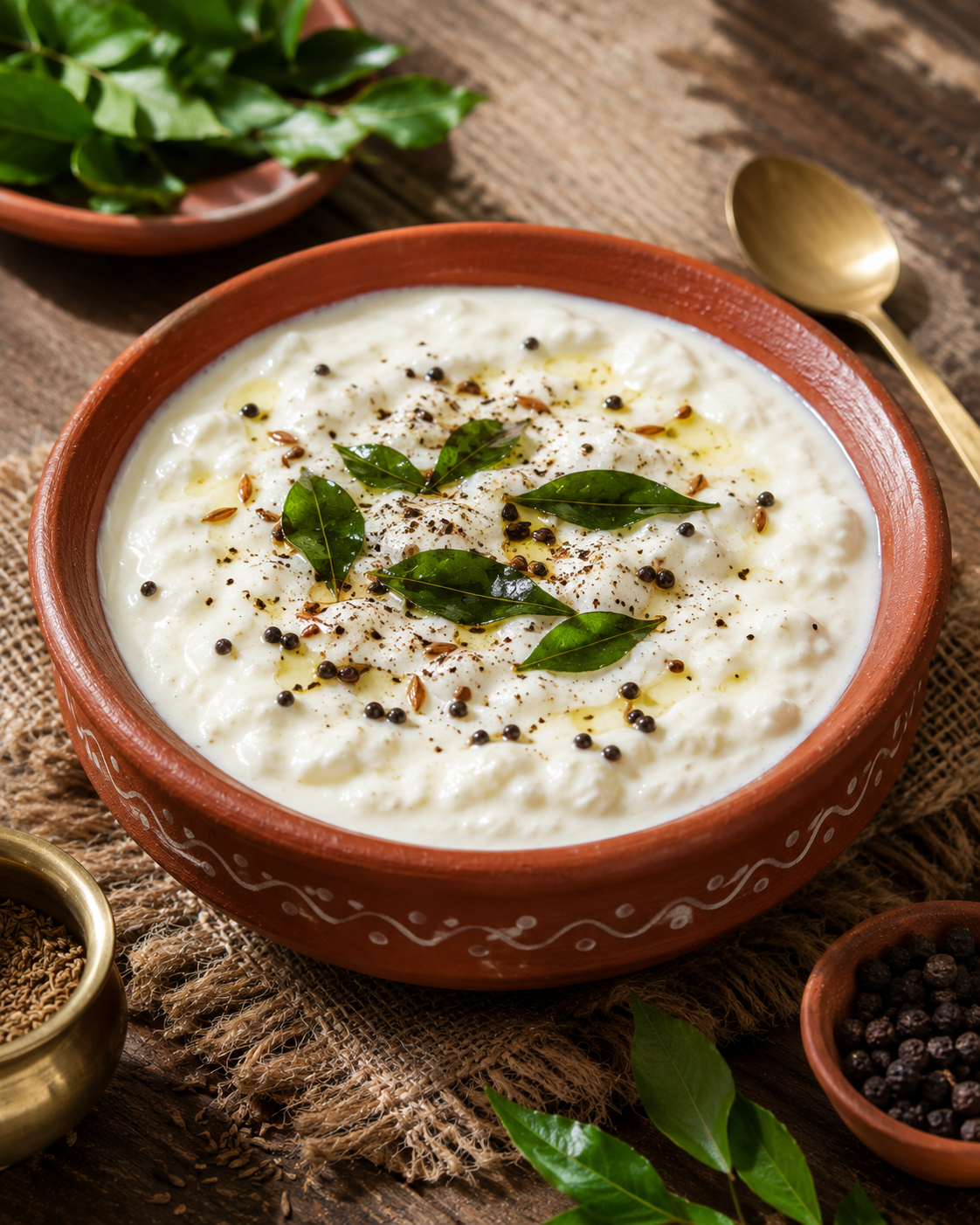
In Ayurveda, raw curd (Dahi) is generally considered heavy (Guru), hot (Ushna), and channel-blocking (Abhishyandi). Therefore, raw curd is strictly forbidden in summer as it can severely vitiate Pitta and Kapha. However, when curd is expertly churned, drained of water, and medicated with specific spices, it becomes 'Rasala'—a highly functional, probiotic, and anabolic dietary staple extensively detailed in the Charaka Samhita and Bhavaprakasha Nighantu. Rasala is the direct classical ancestor of the modern Indian dessert, 'Shrikhand'.
4.1.1 Ingredients
To prepare a clinical dose of 200-250 ml of Rasala:
- Base: 1 cup (150 ml) of fresh, thick, sweet curd (traditionally buffalo or cow's milk curd, with excess water drained using a muslin cloth).
- Sweetener: 10 grams (2 teaspoons) of jaggery or rock sugar.
- Digestive Spices: Half a teaspoon (3 grams) of black pepper powder, half a teaspoon of rock salt (Saindhava Lavana).
- Tempering (Tadka): 1 teaspoon of cow's ghee or butter, 1 teaspoon of mustard seeds (Rai), half a teaspoon of fenugreek seeds (Methi), half a teaspoon of cumin seeds (Jeera), 1-2 crushed red chilies, and 5-6 fresh curry leaves.
4.1.2 Preparation Methodology
- Blending: Place the thick curd in a vessel. Add the sugar/jaggery, rock salt, and black pepper powder. Churn this mixture using a traditional churner or blender until it forms a smooth, velvety emulsion.
- Tempering Process: Heat the ghee in a separate pan. Once the mustard seeds splutter, add the fenugreek, cumin, red chilies, and curry leaves. The heat releases the volatile essential oils from the spices.
- Integration: Pour this warm tempering over the cold, sweet curd emulsion and mix gently.
4.1.3 Clinical Significance and Dosage
- Pharmacodynamics: The inclusion of black pepper, mustard, and cumin serves a highly specific purpose: they act as Deepana and Pachana (digestive fire igniters). By introducing these hot (Ushna) spices into the cold (Sheeta) and heavy curd, the formulation entirely neutralizes the channel-blocking nature (Abhishyandi) of the dairy. It balances Vata dosha and prevents Kapha accumulation.
- Benefits: Rasala acts as a potent synbiotic (combining probiotics from fermentation and prebiotics from spices). It promotes weight gain (Brimhana) in emaciated individuals, enhances libido and sexual vigor (Vrishya), and acts as a carminative for inflammatory bowel conditions like Crohn's disease and colitis.
- Dosage: 1 glass (200-250 ml) along with lunch.
- Contraindications: Despite its processing, individuals suffering from acute respiratory illnesses or severe Kapha congestion should avoid Rasala.
4.2 Takra: Ayurvedic Probiotic Cooler (Buttermilk)
If Rasala is the anabolic dairy option, 'Takra' (buttermilk) is the ultimate metabolic regulator. The Charaka Samhita describes Takra as a divine nectar for digestive health.
- Preparation: Takra is distinct from simply adding water to curd. It requires churning one part of curd with two to three parts of water continuously until the fat (butter) completely separates and is removed. The remaining liquid is true 'Takra'.
- Fortification: It is traditionally fortified with roasted cumin powder, rock salt, and fresh mint or coriander leaves.
- Benefits and Dosage: Consume 200-300 ml daily during lunch. Unlike curd, Takra is astringent (Kashaya) and sour, and its post-digestive effect is sweet (Madhura Vipaka). It is intensely hydrating, balances all three doshas, and acts as a powerful digestive stimulant.
- Crucial Warning (Viruddha Ahara): Ayurveda strictly prohibits combining buttermilk (or any milk product) with fresh fruits (especially melons and bananas), fish, or honey. These are termed 'Viruddha Ahara' (incompatible food combinations) and are highly toxic. They trigger severe skin disorders (like leucoderma), autoimmune conditions, and the build-up of metabolic toxins (Ama).
5. The Complete Science of Mango in Summer Regimen
The mango (Mangifera indica) is universally celebrated during Indian summers, but Ayurvedic pharmacology dictates strict consumption protocols based on its stage of maturity. The phytochemical profile of a raw mango differs vastly from that of a ripe mango, requiring entirely different therapeutic applications.
5.1 Aam Panna: Raw Mango and Heat-Shield
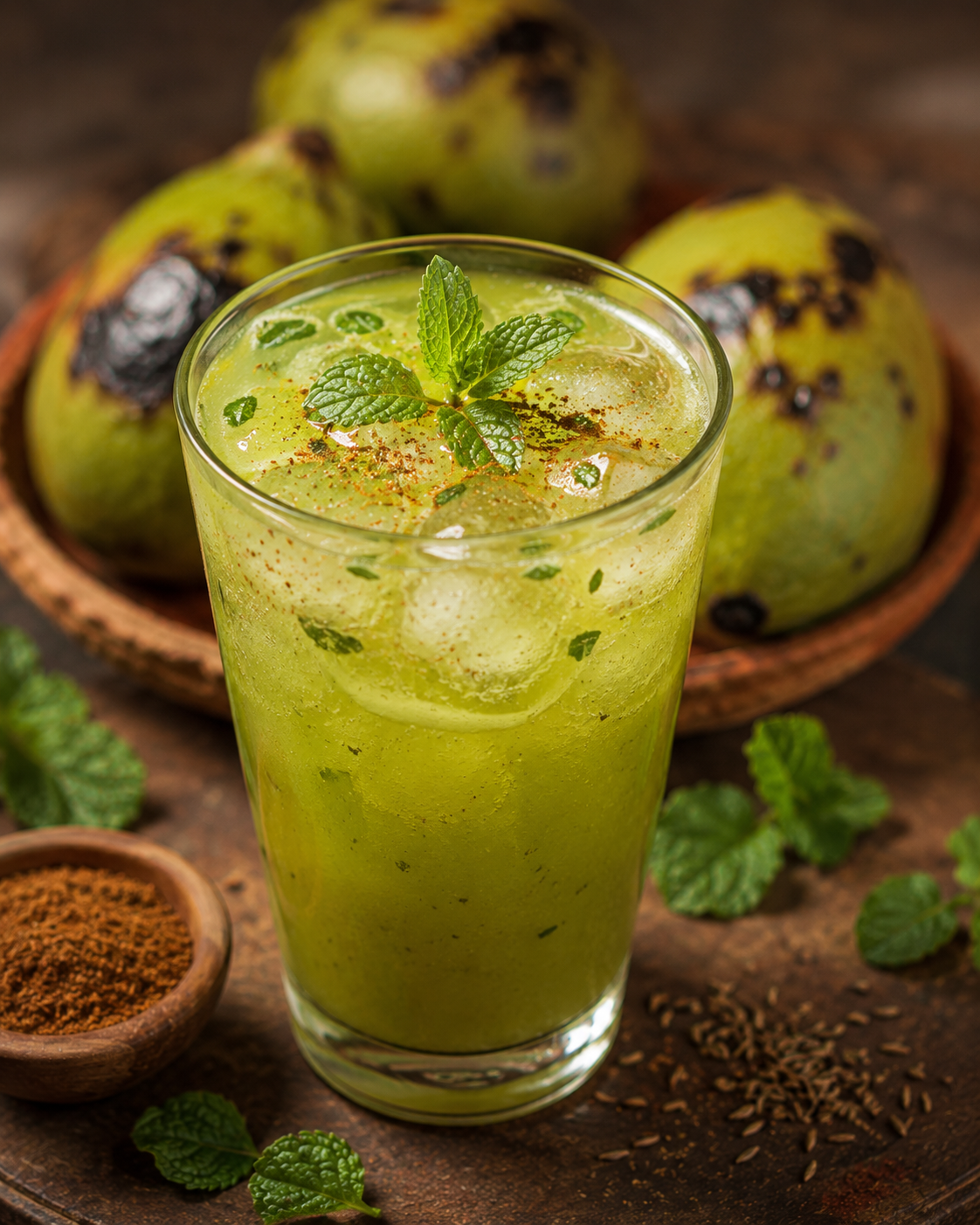
Raw mango (Apakva Amra) is highly acidic, sour, and astringent. Eaten raw, it heavily aggravates Vata and Pitta doshas. However, when it is roasted over a fire or boiled and processed with specific spices, it transforms into 'Aam Panna'—an unparalleled prophylactic against heatstroke and severe dehydration.
5.1.1 Preparation Methodology
- Boiling/Roasting: Submerge 2 to 3 firm, raw green mangoes in water and boil, or roast them over an open flame until the outer skin chars and the inner pulp becomes entirely soft and gelatinous.
- Extraction: Allow the mangoes to cool. Remove the peel, and manually extract and mash the soft pulp into a paste.
- Spicing and Dilution: Dilute this thick pulp heavily with cold water. Mix in rock salt, roasted cumin powder, crushed mint leaves, and a sweetener (jaggery or sugar). The final product should be a tangy, sweet, and smoky green liquid.
- Benefits and Dosage: Consumed in a dosage of 1-2 glasses daily. Aam Panna provides an instant influx of electrolytes, Vitamin C, and pectin. It potently pacifies Vata dosha, arrests excessive sweating, and physiologically cools the core body temperature, acting as a lifesaver for those stepping out in the scorching sun.
5.2 Amra Ksheera: Ripe Mango and Milk Synergy
A ripe mango (Pakva Amra) is naturally sweet (Madhura), heavy (Guru), unctuous (Snigdha), and possesses cooling energy (Sheeta Virya). It is a powerful tissue builder. The Charaka Samhita highlights a highly specific preparation of blending ripe mango pulp with milk, known as 'Amra Ksheera'.
- Pharmacology: When a fully ripe, sweet mango is blended with high-quality cow's milk, the resulting elixir is highly nourishing (Brimhana). It acts as a premium tonic (Balya), significantly reduces Vata and Pitta doshas, enhances physical complexion, and serves as a potent aphrodisiac (Vajikarana).
- Crucial Warning: This combination is permitted ONLY if the mango is entirely, unquestionably sweet and completely ripe. Mixing any sour fruit (Amla rasa), including raw or semi-ripe sour mangoes, with milk creates a highly toxic and incompatible combination (Viruddha Ahara). This rapidly coagulates milk proteins in the gut, leading to severe toxemia, skin diseases, and digestive collapse.
6. Functional Carbohydrates: Saktu (Sattu) and Raga Shadava
Although heavy grains are forbidden in summer, ancient physicians recognized the body's need for sustained, slow-release energy. This need was met through highly specific preparations of roasted flours and fruit compotes.
6.1 Saktu (Sattu): Roasted Energy Elixir
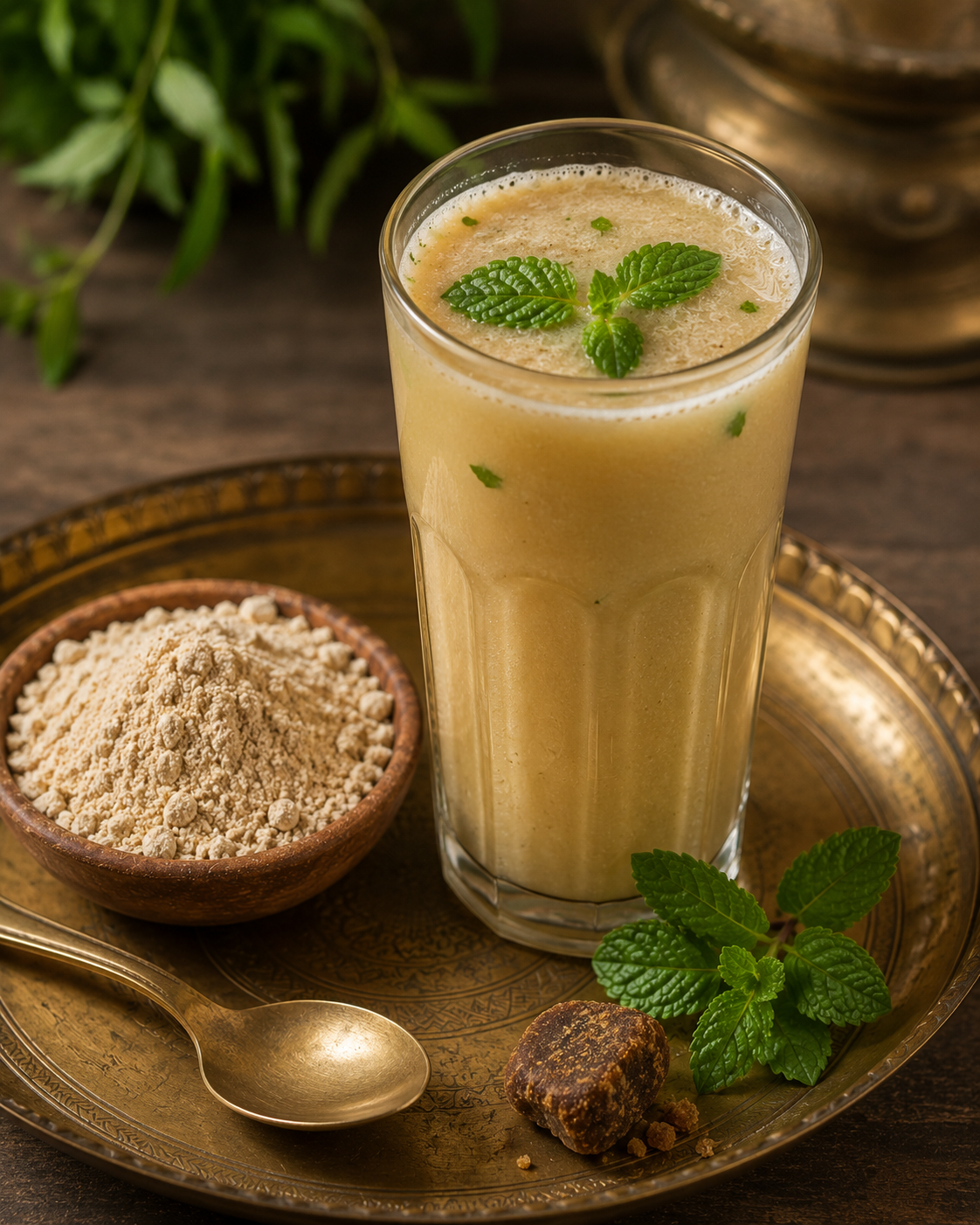
'Saktu', colloquially known as Sattu, refers to the finely ground flour of dry-roasted grains, primarily old barley (Yava) or Bengal gram (Chana).
6.1.1 Pharmacodynamics and Rules of Consumption
Saktu is naturally dry (Ruksha), light (Laghu), and possesses cold potency (Sheeta Virya). Because it is highly fibrous and dry, it has a natural tendency to aggravate Vata dosha. To counteract this and unlock its benefits, classical texts impose strict rules on its consumption.
- The Golden Rule: Saktu must NEVER be consumed as a solid, thick lump or dough ball (Pinda). Eating thick chunks of dry sattu blocks the body's channels (Srotorodha), massively aggravates Vata, and causes severe constipation and bowel obstruction.
- Prescribed Method: It must strictly be consumed in a highly diluted, liquid form (Drava) or as a thin paste (Lehya).
- Preparation: After bathing in fresh cold water, whisk 2 to 3 tablespoons of roasted barley sattu into a large glass of cold water. To neutralize its Vata-aggravating dryness, it must be fortified with a generous amount of unrefined sugar (Sharkara) or jaggery, and optionally a spoonful of ghee or honey.
- Benefits: When prepared as a liquid, Saktu becomes exceptionally unctuous and acts as a profound 'Tarpana' (instant refreshment and cellular satiety). It promotes proper bowel motility (Anulomana), delivers an immediate surge of sustained strength (Bala), and provides vital plant-based proteins and resistant starches that nourish the beneficial gut microbiome.
6.2 Raga Shadava: Classical Fruit Compote
To combat the persistent anorexia (Aruchi) and weakened digestive fire (Agnimandya) characteristic of peak summer, Ayurveda formulated 'Raga Shadava', an exquisite dietary adjunct and appetizer.
6.2.1 Formulation and Actions
According to Acharya Chakrapani Datta's commentary on the Charaka Samhita, Raga Shadava is a sweet, sour, and mildly pungent fruit preserve.
- Ingredients: It is synthesized by boiling the fresh ripe pulp of mango (Amra), java plum (Jambu), phalsa (Parushaka), and pomegranate (Dadima). Into this fruit base, jaggery, rock sugar (Sita), rock salt, dry ginger (Shunthi), mustard seeds (Rajika), and a small quantity of oil are added.
- Therapeutic Action: This formulation is a masterpiece of balancing bio-energies. The cooling nature (Sheeta Virya) of jambu and mango aggressively quenches extreme thirst (Trishna), fatigue (Shrama), and dizziness (Bhrama) induced by the summer sun. Simultaneously, the micro-doses of dry ginger and rock salt act as deep-penetrating digestive stimulants (Deepana), ensuring the suppressed summer Agni is gently ignited without provoking Pitta.
- Dosage: Consume in quantities of 20-30 grams as a side dish during meals, or dilute as a syrup during lunch.
7. Auxiliary Coolants and Botanical Extracts
Beyond primary dietary staples, Ayurveda leverages specific botanical extracts to maintain homeostasis during the summer season.
7.1 Gulkand
Often referred to as the "Royal Pitta Cooler," Gulkand is a luxurious preserve made by layering fresh indigenous rose petals with crystal sugar and allowing the mixture to slow-cure under the sun.
- Benefits: It is a primary intervention for extreme heat pathology. Consuming 1 to 2 teaspoons of Gulkand on an empty stomach (or mixed in cold milk) completely extinguishes systemic burning sensations (Daha) in the eyes, palms, soles, and gastrointestinal tract. It soothes intestinal heat and relieves constipation.
7.2 Amalaki (Amla) Juice
As detailed in the Charaka Samhita, Amalaki (Indian Gooseberry) is a supreme 'Rasayana' (rejuvenating herb).
- Properties: Amla is unique because it contains five of the six tastes (excluding salty), making it a universal balancing agent. Its cooling potency (Sheeta Virya) makes it an indispensable therapeutic choice for summer.
- Benefits: Its Vitamin C concentration is exponentially higher than that of citrus fruits. Taking 20-30 ml of fresh Amla juice (or Amla powder if fresh is unavailable) daily protects the Rakta Dhatu from heat-induced inflammation. It specifically supports hepatic (liver) function, which is often overburdened by Pitta during hot weather.
8. Lifestyle, Conduct, and the Essential Role of Earthenware
Ayurveda's profound dietary guidelines remain incomplete unless seasonal behavioral protocols (Vihara) and traditional food mechanics are strictly followed.
8.1 The Prohibition of Ice and the Mandate of Earthen Pots
(Clay Pot)
Modern conditioning often drives the consumption of ice-cold, refrigerated drinks to combat heat. Ayurveda rejects this practice entirely. The Charaka Samhita explicitly warns that the introduction of ice-cold fluids into the stomach instantly and severely suppresses 'Jatharagni' (digestive fire), leading to the formation of systemic toxins (Ama) and paradoxically raising core body temperature as a reactive mechanism.
Instead, classical texts mandate the use of unglazed earthen pots (Earthenware) for storing all drinking water, Takra, and Panaka.
- Mechanism of Action: Clay pots cool liquids through the natural process of evaporative cooling, where water seeps through the micro-pores of the clay and evaporates on the outer surface, drawing ambient heat away from the liquid inside.
- Biochemical Enhancement: Beyond temperature regulation, clay possesses naturally alkaline properties. Storing water in earthen pots gently alkalizes the fluid, counteracting the body's natural acidity driven by heat and Pitta accumulation. Furthermore, the texts recommend fortifying this naturally cooled water (Sheetala Ambu) with trace amounts of edible camphor (Karpura) and vetiver grass (Khus) to maximize its cooling properties.
8.2 Behavioral Rules (Vihara)
To preserve the body's fragile energy reserves during Grishma Ritu, classical authorities advise the following conduct:
- Exertion: Rigorous physical exercise, excessive sexual intercourse, and prolonged exposure to direct sunlight (Atapa Sevana) are strictly prohibited, as they rapidly deplete Kapha and aggravate Vata.
- Rest: Summer is the ONLY season where daytime sleep (Diwaswapna) is permitted and actively encouraged in Ayurveda. Daytime sleep provides a much-needed counterbalance to the rapid depletion of tissues (Dhatus) caused by peak environmental heat and restores unctuousness (Snigdha) to the body.
- Clothing and Environment: Individuals are advised to wear loose, light-colored cotton clothing, apply cooling sandalwood (Chandana) paste on the body, and seek refuge in cool, well-ventilated spaces.
9. Conclusion
The rigorous diet and lifestyle protocols documented in the Charaka Samhita and Sushruta Samhita for Grishma Ritu represent the pinnacle of ancient chronobiology and preventive medicine. The Ayurvedic approach to summer health transcends the superficial concept of hydration; instead, it emphasizes the sophisticated manipulation of the body's thermoregulatory and digestive systems. By actively suppressing heat-generating Ushna, Katu, and Amla foods, and aggressively prioritizing the nourishing, anabolic, and cooling properties of a Madhura, Snigdha, and Drava diet, ancient physicians crafted a flawless blueprint for human resilience against extreme environmental stressors.
Neuropsychological tonics like Kharjuradi Mantha, synbiotics like Rasala, electrolyte-rich Panchasara Panaka, and meticulously prepared liquid Saktu (Sattu) are not merely ancient relics; they are highly functional, scientifically validated medical interventions. By integrating these precise Ayurvedic pharmacodynamic principles—and adhering to traditional methods like earthenware cooling over artificial refrigeration—modern populations can easily bypass summer fatigue, dehydration, and digestive collapse, thereby maintaining robust vitality and systemic homeostasis.
Disclaimer: This article is based on ancient Ayurvedic principles and classical texts, including the Charaka Samhita and Sushruta Samhita. The information provided is for educational and informational purposes only. Please consult a qualified Vaidya (Ayurvedic physician) or healthcare professional before incorporating any of these dietary changes, remedies, or drinks into your lifestyle, especially if you are pregnant, nursing, have pre-existing health conditions, or are currently taking medication.
Related Topics:
"Curating the elite intersection of global culture, cinematic intelligence, high-end gastronomy, and the premium evolution of modern lifestyle."
" Tracking the massive architecture of global capital, sovereign wealth shifts, and the economic engines of the new world order."
"Curating the elite intersection of global culture, cinematic intelligence, high-end gastronomy, and the premium evolution of modern lifestyle."
"Decoding the high-stakes chess game of global statecraft, strategic diplomacy, and the shifting balance of world power."
" Tracking the massive architecture of global capital, sovereign wealth shifts, and the economic engines of the new world order."

Vanguard Culture Desk
Curating the elite intersection of global culture, cinematic intelligence, high-end gastronomy, and the premium evolution of modern lifestyle.
Get the Weekend Intelligence Briefing
Sign up for the deepest geopolitical and tech insights sent directly to your inbox every Sunday.
No spam. Unsubscribe anytime. View our Privacy Policy.
Loading Next Story