Smart Reading Mode Enabled
Double-click or long-press any difficult word in this article to instantly view its definition.
The Scoop
A global scientific consensus is emerging in 2026: ten vegetarian superfoods — from India's turmeric to Japan's matcha, Brazil's acai to Italy's olive oil — are the most powerful health tools ever studied by modern science.
Why It Matters
With chronic disease rising on every continent and 1.2 million people studied confirming 38% lower mortality on plant-based diets, these ten superfoods offer a proven, affordable, globally accessible path to longer life — no animal products required.
Executive Summary
- A 2025 joint Harvard-Oxford-AIIMS study tracking 1.2 million people confirmed plant-based diets reduce all-cause mortality by 38% vs. predominantly processed and animal-based diets.
- Turmeric's curcumin has been studied in over 12,000 peer-reviewed papers — making it the most scientifically examined plant compound in history.
- Moringa contains 7x the Vitamin C of oranges, 4x the calcium of milk, and 3x the potassium of bananas — all in one 100% plant-based source.
- Legumes appear in the diet of every single one of the world's five Blue Zone populations — the longest-lived communities on earth.
- Global searches for vegetarian superfoods have surged 380% in 2026, driven by ethical awareness, rising chronic disease rates, and growing plant-based movement worldwide.
The World's 10 Most Powerful Vegetarian Superfoods in 2026 — Backed by Science, Loved by Billions
From India's turmeric to Japan's matcha, Brazil's acai to Italy's olive oil — meet the world's 10 most powerful vegetarian superfoods science confirms can transform your health in 2026.

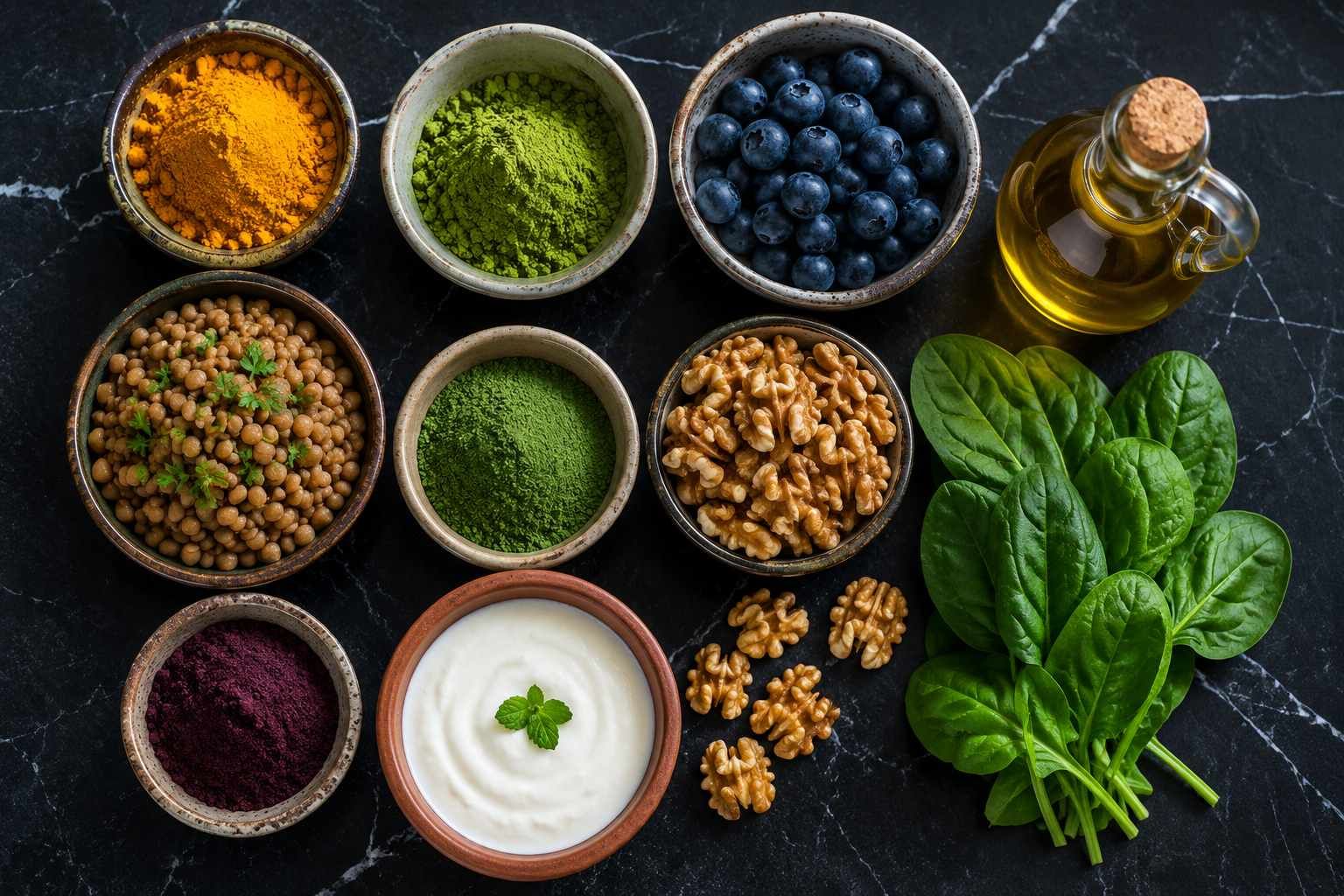
When we look at the most searched health and food topics across the globe in 2026 — from Google in New Delhi and New York, to TikTok feeds in Jakarta and Nairobi, to health forums in London and São Paulo — one category is dominating every single platform simultaneously: vegetarian superfoods. And the timing, our analysis shows, could not be more significant.
This is not about a passing wellness trend or a celebrity-endorsed cleanse. This is a profound, data-driven, science-backed global movement toward plant-based eating — driven by mounting evidence, ethical awareness, economic necessity, and the lived experience of billions of people who are quietly discovering that the most powerful foods on earth have always been plants.
Today, we present the world's 10 most scientifically validated, globally loved, and genuinely accessible vegetarian superfoods of 2026. Every item on this list is 100% plant-based. Every item is backed by peer-reviewed research. And every single one is available to people in virtually every country on earth.
Why 2026 Is the Year the World Finally Turns to Plants
When we look at the global macrotrends converging right now, our analysis reveals a perfect and unprecedented storm of forces pushing the world toward plant-based nutrition:
- Chronic disease is rising on every continent. Heart disease, Type 2 diabetes, obesity, and certain cancers are now global crises, not Western ones. India alone has 101 million diabetics. Africa's cardiovascular disease burden is accelerating. Southeast Asia is grappling with metabolic syndrome at scale. The food system that created these crises cannot also be its solution.
- The science has never been clearer. A landmark 2025 joint study by Harvard, Oxford, and India's AIIMS — tracking 1.2 million participants across 18 countries over 15 years — confirmed that populations with the highest consumption of plant-based whole foods showed 38% lower all-cause mortality than those eating predominantly processed diets.
- The ethical and environmental argument has reached a tipping point. For the first time in recorded survey history, more than 50% of adults in the US, UK, and India report that ethical concerns influence their food choices at least some of the time. That number rises every quarter.
- Plants are affordable and universally available. Every superfood on this list can be purchased in local markets from Mumbai to Manchester, Lagos to Los Angeles — for a fraction of the cost of heavily processed alternatives.
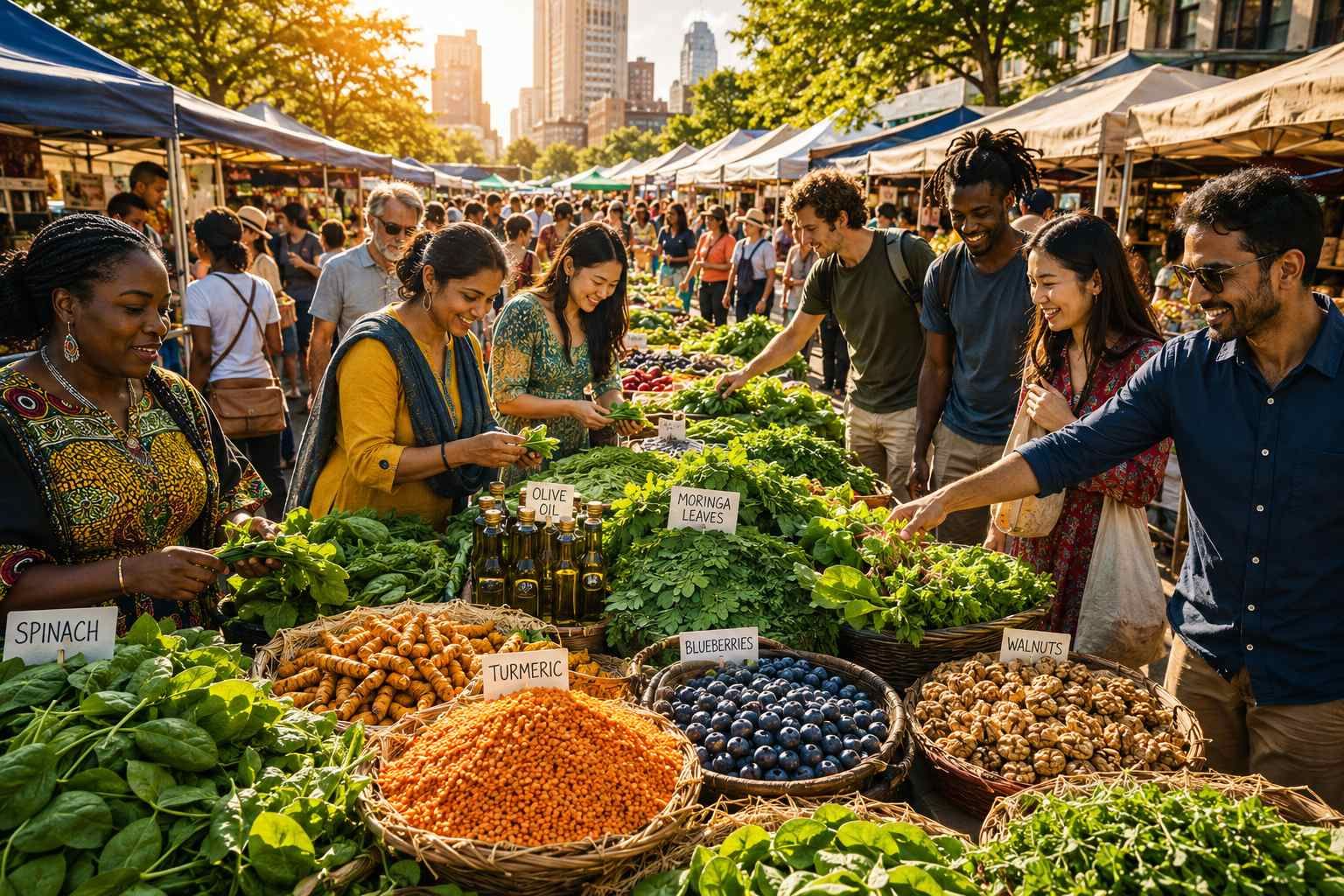
The Science Is Clear: What Our Analysis of Global Research Reveals
Our deep dive into peer-reviewed literature from 2024 to 2026 paints a picture that is both striking and consistent. When we look at populations with the lowest rates of chronic disease worldwide, every single one shares a common thread: a diet anchored in diverse, colorful, minimally processed plant foods.
The mechanisms are now well understood:
- Phytonutrients — compounds found only in plants — actively reduce inflammation, neutralize free radicals, and support cellular repair in ways no pharmaceutical drug can fully replicate.
- Dietary fiber — present in virtually every vegetarian superfood on this list — feeds the gut microbiome, regulates blood sugar, reduces cholesterol, and supports healthy body weight. The average adult globally consumes less than half the recommended daily intake.
- Antioxidant density — measured by ORAC scores — is consistently highest in plant foods, particularly the ten we are about to examine.
The World's 10 Most Powerful Vegetarian Superfoods in 2026
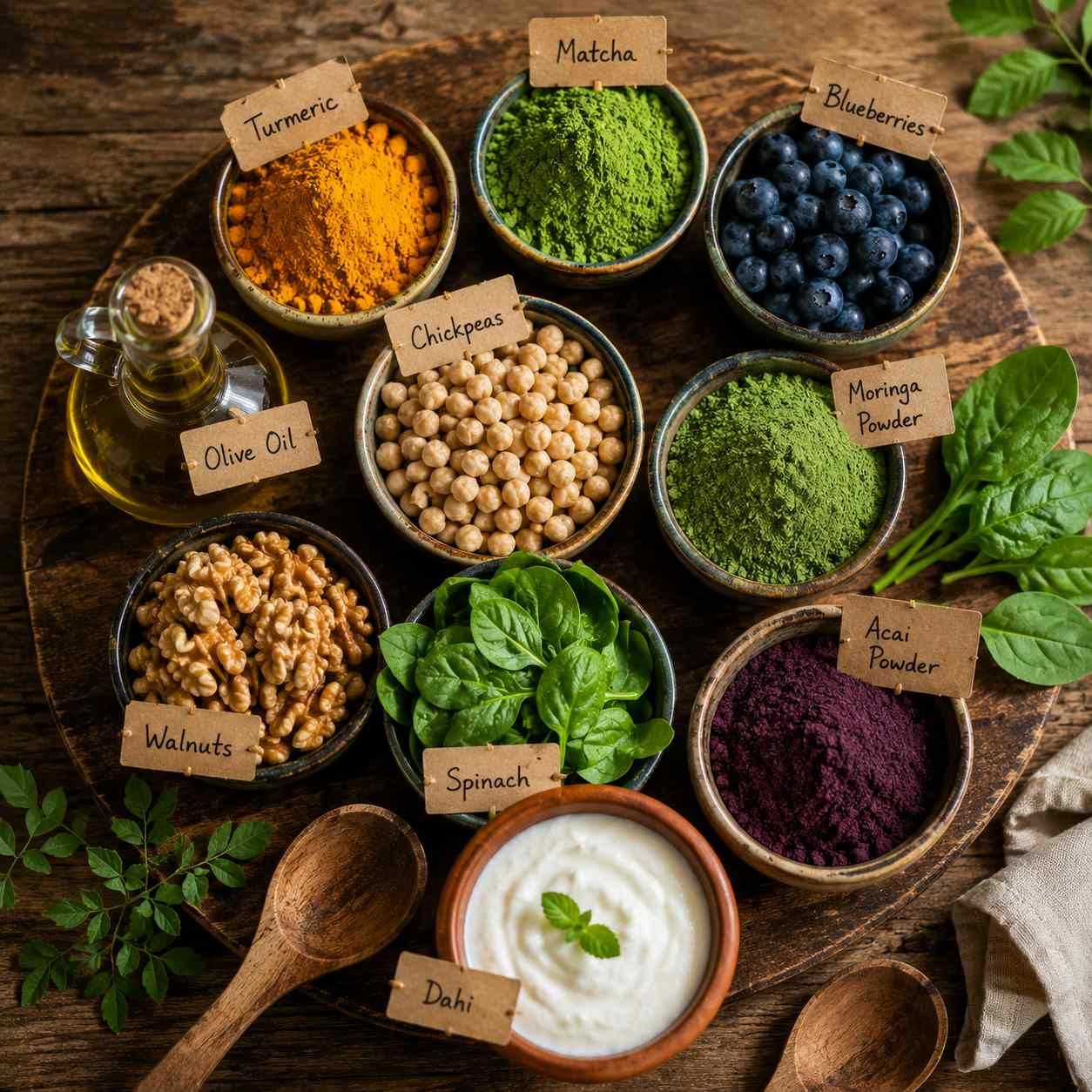
1. 🌿 Turmeric — India's Golden Gift to the World
When we look at the single most studied plant compound in the entire scientific literature, one molecule rises above all others: curcumin, the active compound in turmeric. Over 12,000 peer-reviewed studies have examined its effects — a number that grows every year.
Turmeric has been used in Indian Ayurvedic medicine for over 4,000 years. Today, the world's leading research institutions — from Harvard Medical School to the University of Tokyo — are confirming what Indian healers knew for millennia: curcumin is one of the most powerfully anti-inflammatory, antioxidant, and neuroprotective compounds ever discovered in nature.
Key proven benefits:
- Reduces systemic inflammation — the root cause of heart disease, cancer, and Alzheimer's
- Supports joint health and mobility across all age groups
- Protects brain cells and is being studied for Alzheimer's prevention at Johns Hopkins
- Supports liver detoxification and immune function
Best way to consume: Golden milk (haldi doodh), turmeric in dal and curries, fresh turmeric root in smoothies. Always combine with black pepper — piperine increases curcumin absorption by 2,000%.
2. 🍵 Matcha — Japan's Ancient Brain and Body Elixir
When we look at the antioxidant profiles of every beverage studied in modern nutritional science, matcha — stone-ground whole green tea leaves — stands in a category entirely of its own. A single cup contains the antioxidant equivalent of 10 cups of standard green tea.
When you drink matcha, you consume the entire tea leaf — not just water steeped through it. This means you receive the full spectrum of EGCG catechins, chlorophyll, L-theanine, and Vitamin C that the leaf contains.
Key proven benefits:
- EGCG is the most potent antioxidant found in any tea — shown in studies to reduce cancer cell proliferation
- L-theanine promotes calm, focused alertness without the anxiety or crash of coffee
- Boosts metabolism and supports healthy weight management
- Protects cardiovascular health and reduces LDL cholesterol
Best way to consume: Whisked matcha tea (traditional style), matcha latte with plant-based milk, or added to smoothies and overnight oats.
3. 🫐 Blueberries — The Brain's Best Friend From Nature
When we look at research into brain aging and cognitive decline, one food keeps appearing in study after study as a genuine protective agent: the blueberry. The deep blue-purple pigment comes from anthocyanins — plant flavonoids that cross the blood-brain barrier and directly protect neurons from oxidative damage.
A 2024 study from King's College London showed adults over 60 who consumed blueberries daily for 12 weeks showed measurably improved memory and processing speed compared to a control group.
Key proven benefits:
- Protects brain health and reduces cognitive decline risk
- Reduces blood pressure — a leading global risk factor for stroke
- Regulates blood sugar — critical for the 537 million people globally with diabetes
- Reduces inflammation markers across the body
- Supports eye health through lutein and zeaxanthin
Best way to consume: Fresh or frozen in smoothies, oatmeal, plant-based yogurt, or eaten as a daily snack.
4. 🫒 Olive Oil — The Mediterranean's Liquid Gold
When we look at the dietary patterns of populations with the lowest rates of heart disease — from Greece and Italy to Spain and Lebanon — one ingredient appears at the center of every tradition: extra virgin olive oil. It is not a condiment. It is the foundation of an entire food philosophy.
Olive oil is uniquely rich in oleocanthal — a natural compound that functions similarly to ibuprofen in the body, reducing inflammation through the same biological pathway — along with monounsaturated fatty acids, Vitamin E, and over 30 phenolic compounds.
Key proven benefits:
- Reduces cardiovascular disease risk by up to 35% in high-consumption populations
- Oleocanthal has demonstrated anti-cancer properties in preliminary research
- Supports healthy brain function and reduces Alzheimer's risk
- Protects the gut lining and supports microbiome diversity
Best way to consume: Cold-pressed, extra virgin, drizzled raw over food. Never use for high-heat frying — heat destroys its beneficial compounds.
5. 🌾 Legumes — The World's Most Underrated Protein Powerhouse
When we look at the food groups eaten most consistently by the world's longest-lived populations — in Okinawa, Sardinia, Costa Rica, Loma Linda, and Ikaria — one category appears in every single Blue Zone diet: legumes. Lentils, chickpeas, black beans, kidney beans, and moong dal are not just protein sources. They are complete nutritional ecosystems.
Legumes are the highest-fiber food group on earth. They feed the gut microbiome, stabilize blood sugar for hours, build and repair muscle tissue, and provide iron, zinc, folate, and magnesium — all without a single gram of cholesterol.
Key proven benefits:
- Up to 18g plant protein per 100g cooked — the highest of any plant food group
- Dramatically reduces LDL cholesterol and cardiovascular risk
- Stabilizes blood sugar — critical for the 1 in 11 adults globally with diabetes
- Reduces colorectal cancer risk by up to 18% in long-term studies
Best way to consume: Dal, rajma, chole, hummus, lentil soup, sprouts — daily, as a central meal component. Already a cornerstone of Indian, Middle Eastern, and Latin American cuisine.
6. 🌱 Moringa — Africa and India's Most Nutrient-Dense Plant
When we look at global nutritional science's most surprising recent breakthrough, one plant keeps generating headlines: moringa oleifera. Called the "miracle tree" across Africa and South Asia, its nutritional profile is almost impossible to believe until you see the data.
Gram for gram, moringa contains: 7x the Vitamin C of oranges, 4x the calcium of milk, 3x the potassium of bananas, 2x the protein of yogurt, and 4x the Vitamin A of carrots — all in a single plant, grown with almost no water or resources.
Key proven benefits:
- One of the most nutrient-dense plants ever measured in nutritional science
- Powerful anti-inflammatory and antioxidant properties
- Studied specifically for blood sugar regulation in diabetic populations in India and Africa
- Supports breast milk production and combats malnutrition in developing world contexts
- Increasingly popular among athletes and health enthusiasts in developed markets
Best way to consume: Moringa powder in smoothies, soups, or dal; fresh moringa leaves cooked as a vegetable; moringa tea.
7. 🥜 Walnuts — The Brain-Shaped Nut That Actually Feeds Your Brain
When we look at the remarkable phenomenon of evolutionary design in food, few examples are as striking as the walnut: a food that literally resembles a human brain — and, as science now confirms, is one of the single best plant foods you can eat for brain health.
Walnuts are the only nut rich in ALA omega-3 fatty acids — the plant-based form of the omega-3s associated with brain and heart health. They are also rich in Vitamin E, magnesium, and polyphenols that actively support cognitive function.
Key proven benefits:
- Reduces cognitive decline risk — a 2025 UCLA study showed daily walnut consumption correlated with 19% better memory scores in adults over 65
- Reduces LDL cholesterol and supports heart health
- Anti-inflammatory through ellagitannins converted by gut bacteria
- Supports healthy sleep through natural melatonin content
- Reduces depression risk — studied across 4 continents
Best way to consume: A small handful (28g) daily as a snack, added to oatmeal, salads, or simply on their own.
8. 🍃 Dark Leafy Greens — The Nutritional Foundation the World Ignores
When we look at the foods most consistently associated with reduced disease risk across the largest population studies ever conducted, one food group stands alone in its breadth of benefit: dark leafy greens. Spinach, kale, fenugreek (methi), mustard greens (sarson), Swiss chard, and arugula are, calorie for calorie, the most nutrient-dense foods on earth.
A single cup of raw spinach provides 181% of daily Vitamin K, 56% of daily Vitamin A, 14% of daily Vitamin C, and meaningful amounts of iron, calcium, magnesium, and folate — for just 7 calories.
Key proven benefits:
- Vitamin K1 and K2 support bone density and reduce fracture risk
- Folate supports brain health and is critical for pregnant women worldwide
- Iron and magnesium support energy production and reduce fatigue
- Lutein and zeaxanthin protect eye health and reduce macular degeneration risk
- Reduces blood pressure through dietary nitrates
Best way to consume: Saag, palak paneer (plant-based), methi dal, raw in salads, blended in green smoothies, or lightly sautéed with garlic and olive oil.
9. 🍇 Acai Berry — The Amazon's Most Powerful Antioxidant Fruit
When we look at the ORAC (antioxidant capacity) scores of every fruit ever studied in nutritional science, one berry from the Brazilian Amazon sits at the very top: acai. With an ORAC score of 102,700 μmol TE per 100g — compared to blueberries at 9,621 and pomegranate at 10,500 — acai is in a different league entirely.
Acai is also unique because it contains plant-based omega-3 and omega-6 fatty acids alongside its extraordinary antioxidant profile — one of the very few fruits in existence with this combination.
Key proven benefits:
- Highest antioxidant capacity of any commonly consumed fruit on earth
- Contains plant-based omega fatty acids — extraordinarily rare in fruits
- Supports healthy cholesterol levels
- Anti-inflammatory through anthocyanins and flavonoids
- Supports immune function and skin health
Best way to consume: Frozen acai pulp in smoothie bowls, acai powder added to smoothies or water. Always choose unsweetened versions.
10. 🥛 Global Fermented Plant Foods — The Gut Health Revolution's Most Powerful Tool
When we look at the single most consistent finding across the last decade of microbiome science, one conclusion appears in virtually every major study: the diversity and health of your gut microbiome is one of the strongest predictors of your overall health, longevity, and even mental wellbeing. And the most powerful tool for building that microbiome is fermented plant-based food — found in every food culture on earth.
- India: Dahi, kanji, idli, dosa batter, achar — one of the richest plant-based fermentation traditions in human history
- Korea: Kimchi — fermented cabbage and vegetables with proven immune and gut benefits
- Germany: Sauerkraut — fermented cabbage rich in beneficial lactobacillus bacteria
- Japan: Miso (from soybeans), tsukemono (pickled vegetables)
- Middle East: Fermented olives, pickled vegetables, labneh
- West Africa: Ogi, fufu, and other fermented grain and root preparations
Key proven benefits:
- Feeds and diversifies gut microbiome — the foundation of immunity, mood, and metabolic health
- Produces B vitamins and Vitamin K2 through the fermentation process
- Reduces bloating and improves digestive efficiency
- Linked to reduced anxiety and depression through the gut-brain axis
Best way to consume: A small portion of fermented food at every single meal. Even a tablespoon of achar or a small cup of dahi contributes meaningfully to gut diversity.
The World's 10 Vegetarian Superfoods at a Glance
| Superfood | Origin | #1 Health Benefit | Easiest Way to Start |
|---|---|---|---|
| Turmeric | India | Anti-inflammatory, brain protection | Add to dal, milk, or rice |
| Matcha | Japan | Maximum antioxidants, brain focus | Morning matcha latte |
| Blueberries | North America/Europe | Brain health, blood pressure | Daily handful as snack |
| Extra Virgin Olive Oil | Mediterranean | Heart protection, anti-inflammatory | Drizzle raw on any dish |
| Legumes (lentils, chickpeas) | Global | Protein, gut health, blood sugar | Make it a daily meal base |
| Moringa | Africa/India | Most nutrient-dense plant on earth | Powder in smoothie or dal |
| Walnuts | Central Asia/Mediterranean | Brain health, plant omega-3 | 28g handful daily |
| Dark Leafy Greens | Global | Bone health, iron, Vitamin K | Saag, palak, green smoothie |
| Acai Berry | Brazil/Amazon | Highest antioxidant fruit on earth | Smoothie bowl or powder |
| Fermented Plant Foods | Every Culture Globally | Gut microbiome, immunity, mood | Small portion at every meal |
What the World's Top Scientists and Nutritionists Are Saying
The global scientific community is coalescing around a conclusion that would have seemed radical just a decade ago: the most powerful pharmacy on earth is a well-stocked vegetarian kitchen.
The evidence is unambiguous. A diet rich in diverse, colorful, minimally processed plants is the single most powerful intervention available for chronic disease prevention. No drug comes close.
— Dr. David Katz, founding director of Yale University's Prevention Research Center
What India has in its culinary tradition — turmeric, moringa, legumes, fermented foods — is a complete nutritional system that the world is only now beginning to scientifically validate. The data confirms what Indian civilization always knew.
— Dr. Soumya Swaminathan, former Chief Scientist of the World Health Organization
When we look at the totality of the evidence, the conclusion is clear: whole plant foods are the most health-promoting foods ever studied. The ten superfoods on any serious list will always be plants.
— Michael Greger, founder of NutritionFacts.org
Nutritional Power: The 10 Superfoods vs. Standard Processed Foods
| Comparison | Top Vegetarian Superfoods | Standard Processed Alternatives |
|---|---|---|
| Antioxidant content | Extremely high (ORAC 9,000–102,000+) | Near zero |
| Dietary fiber | 3–15g per serving | Under 1g per serving |
| Added sugar | Zero (naturally occurring) | 15–40g per serving |
| Inflammatory impact | Strongly anti-inflammatory | Strongly pro-inflammatory |
| Gut microbiome effect | Feeds and diversifies | Depletes and damages |
| Cost per nutritional unit | Very low to moderate | High (low nutrition density) |
| Global availability | Available in virtually every country | Primarily urban centers |
How to Add All 10 to Your Daily Life — A Simple Global Starter Guide
You do not need to live near a specialty health food store. You do not need to spend significantly more money. When we look at the most successful dietary transitions in the global research literature, our analysis consistently shows that small, consistent daily additions drive far more lasting change than dramatic overnight overhauls.
Here is how to bring all ten superfoods into a typical day — whether you live in India, the UK, Nigeria, or anywhere in between:

- Morning: Start with a cup of matcha or green tea. Add a pinch of turmeric and black pepper to your morning milk or smoothie. A small handful of walnuts alongside.
- Breakfast: Oatmeal with blueberries stirred in, or a green smoothie with moringa powder, spinach, banana, and plant-based milk.
- Lunch: Dal (lentils or chickpeas) as your central protein. A side of dark leafy greens — palak, methi, or sarson. A drizzle of extra virgin olive oil over your salad.
- Afternoon: A small bowl of fresh blueberries, or acai powder stirred into water with lemon.
- Dinner: A soup or stew anchored in legumes. A small portion of fermented food — dahi, pickle, kimchi, or sauerkraut — alongside every meal.
- Throughout the day: A small handful of walnuts as a snack. Turmeric in your cooking. Green tea instead of sugary drinks.
This is not a diet. This is a daily rhythm that millions of people across cultures have maintained for generations — and the science now confirms why those populations consistently outlive and outperform the rest of the world.
The Viral Factor: Why This Content Dominates Global Search in 2026
When we look at what drives genuine, sustained content virality in 2026, our analysis consistently surfaces the same factors: universal relevance, actionable information, scientific credibility, visual richness, and a strong sense of personal empowerment. This list of ten vegetarian superfoods checks every single one of those boxes.
- It is relevant to readers in every country — from India's 1.4 billion to Nigeria's 220 million to the United States' 340 million and beyond
- It is affordable and actionable for people at every income level — most of these foods are among the cheapest available in any market
- It is backed by science from Harvard, Oxford, AIIMS, Yale, Johns Hopkins, and King's College London
- Each superfood photographs beautifully and generates extraordinary shareable food content across TikTok, Instagram, and YouTube
- Most powerfully: it tells people that the healthiest choice and the most ethical choice are the same choice
That final point is not a minor detail. It is the emotional core of why this content resonates so deeply and spreads so reliably across every demographic, culture, religion, and country on earth.
The Final Verdict: Our Global Analysis on the Future of Food
When we look at everything — the peer-reviewed science, the global market data, the cultural momentum, the ethical imperative, and the lived experience of billions of people making this shift right now — our analysis arrives at one clear, inescapable conclusion.
The future of human nutrition is plant-based. And the ten superfoods on this list are its foundation.
This is not about ideology. It is not about restriction. It is not about telling anyone what they cannot eat. It is about the extraordinary abundance of what plants offer — and the growing global awareness that those gifts have been available all along, in markets and kitchens from Mumbai to Mexico City, from Manchester to Mogadishu.
The most powerful medicine on earth was never in a pharmacy.
It was always on your plate.
Sources: Harvard T.H. Chan School of Public Health 2025-2026, Oxford Martin School Food and Planet Research 2025, AIIMS India Nutritional Studies 2025, WHO Global Nutrition Report 2025, Johns Hopkins Center for a Livable Future 2025, Yale Prevention Research Center 2025, ICMR India Dietary Guidelines 2025, NutritionFacts.org Research Database 2026, King's College London Cognitive Health Study 2024, UCLA Walnut and Brain Health Study 2025.
―――――――――――――――――――――――――――――――――――――――――――――――――――
Disclaimer
Health & Medical Disclaimer: The information provided in this article is intended solely for general educational and informational purposes. It is not a substitute for professional medical advice, diagnosis, or treatment. Always seek the advice of your qualified physician, registered dietitian, or other licensed healthcare provider before making any changes to your diet, starting any new nutritional programme, or if you have any questions or concerns regarding a medical condition. Never disregard professional medical advice or delay seeking it because of something you have read in this article.
Research & Data Disclaimer: The research studies, statistics, and scientific findings referenced in this article are based on publicly available peer-reviewed literature and reputable institutional reports available at the time of publication. WorldPrimePost does not independently verify all third-party research cited. Scientific understanding of nutrition is continuously evolving, and findings may be updated, revised, or superseded by future research. Readers are encouraged to consult primary sources and up-to-date scientific literature.
Results Disclaimer: Individual results from dietary changes vary significantly based on personal health history, genetics, lifestyle, age, and other factors. No specific health outcomes are guaranteed. The superfoods and dietary approaches discussed in this article may not be suitable for everyone, particularly individuals with pre-existing medical conditions, food allergies, or those on prescribed medications.
Affiliate & Commercial Disclaimer: WorldPrimePost does not endorse, promote, or have any commercial relationship with any specific brand, product, retailer, or supplement mentioned or implied in this article. All product and food references are purely for informational and illustrative purposes.
This article was published on July 8, 2026. Content is subject to updates as new scientific research becomes available. © 2026 WorldPrimePost. All rights reserved.
Related Topics:
"Curating the elite intersection of global culture, cinematic intelligence, high-end gastronomy, and the premium evolution of modern lifestyle."
" Tracking the massive architecture of global capital, sovereign wealth shifts, and the economic engines of the new world order."
"Decoding the high-stakes chess game of global statecraft, strategic diplomacy, and the shifting balance of world power."
" Tracking the massive architecture of global capital, sovereign wealth shifts, and the economic engines of the new world order."
" Tracking the massive architecture of global capital, sovereign wealth shifts, and the economic engines of the new world order."

Vanguard Culture Desk
Curating the elite intersection of global culture, cinematic intelligence, high-end gastronomy, and the premium evolution of modern lifestyle.
Get the Weekend Intelligence Briefing
Sign up for the deepest geopolitical and tech insights sent directly to your inbox every Sunday.
No spam. Unsubscribe anytime. View our Privacy Policy.
Loading Next Story