Smart Reading Mode Enabled
Double-click or long-press any difficult word in this article to instantly view its definition.
Modi's Historic 5-Nation Tour: Semiconductors, Energy Security, a Royal Honour, and India's New European Pivot
PM Modi's landmark May 15-20, 2026 tour of UAE, Netherlands, Sweden, Norway and Italy secured a chip deal, Chola plate repatriation, Sweden's highest honour, and 4 new Strategic Partnerships.
A Diplomatic Sprint Across Two Continents
In the third week of May 2026, Prime Minister Narendra Modi embarked on one of the most consequential diplomatic missions of his tenure — a six-day, five-nation tour spanning the Gulf and Europe that touched down in the United Arab Emirates, the Netherlands, Sweden, Norway, and Italy between May 15 and May 20. The tour was not merely a series of bilateral meetings; it was a carefully choreographed assertion of India's emergence as a preferred strategic partner for the world's most technologically advanced and economically powerful democracies.
The geopolitical backdrop was charged. The ongoing Iran-Israel war had escalated to the point where the Strait of Hormuz — through which a significant share of India's energy imports flow — faced intermittent closure threats, triggering LPG shortages across Indian cities. Energy security had moved from a long-term policy concern to an immediate crisis-management imperative. Simultaneously, the India-European Union Free Trade Agreement negotiations had gathered fresh momentum, and New Delhi was keen to demonstrate to European capitals that India was not merely a market but a genuine partner in technology, defence, and the green transition.
Against this backdrop, Modi's sprint across two continents carried a clear strategic message: India is open, capable, and indispensable. The tour yielded four new Strategic Partnerships, a landmark semiconductor deal, a historic cultural repatriation, a royal honour, long-term energy agreements, and a unified Nordic endorsement of India's bid for a permanent seat on the United Nations Security Council. Rarely has a single diplomatic tour delivered so much across so many dimensions.
Stop 1 — UAE: Energy Security and the $5 Billion AI Bet
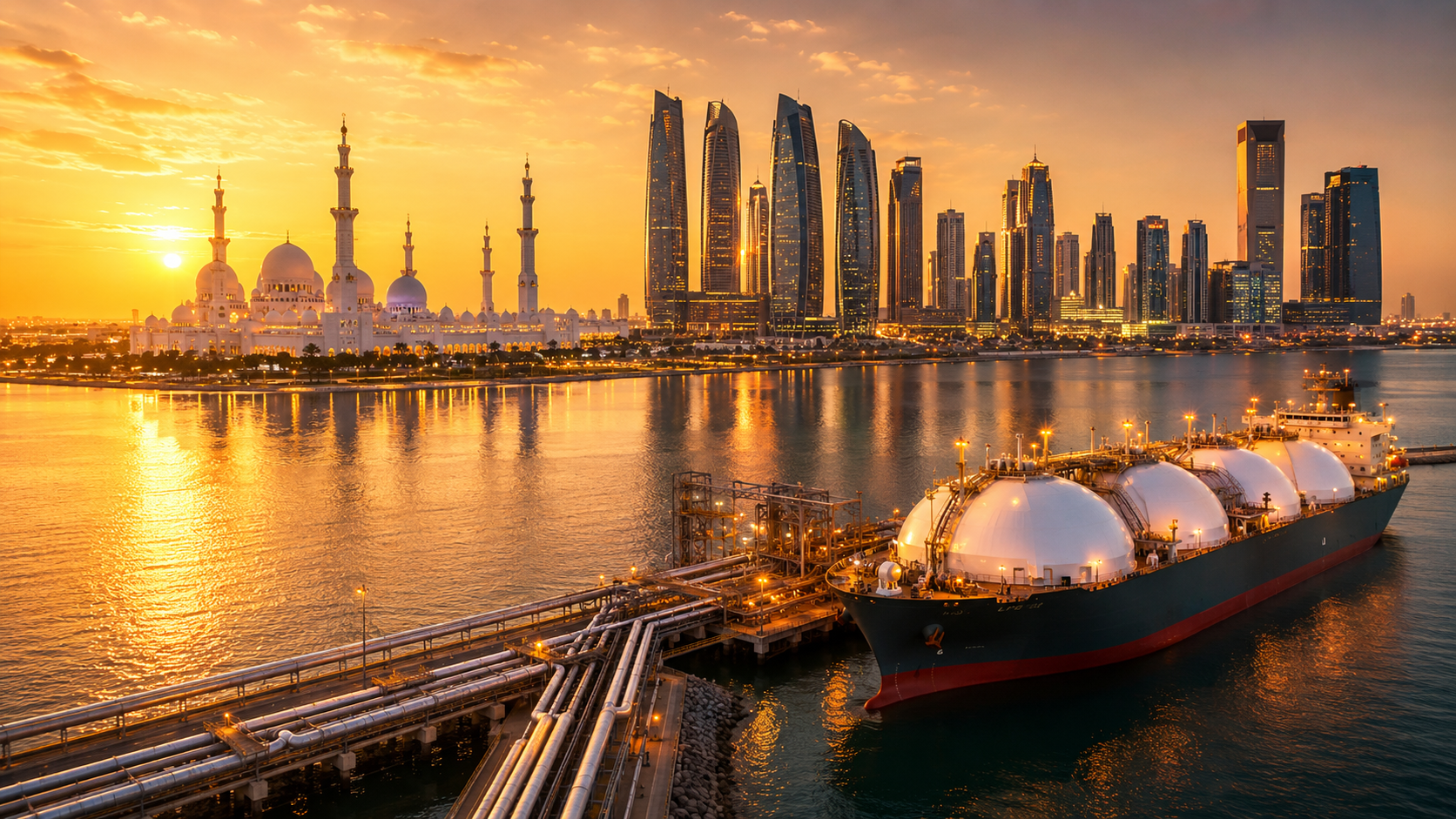
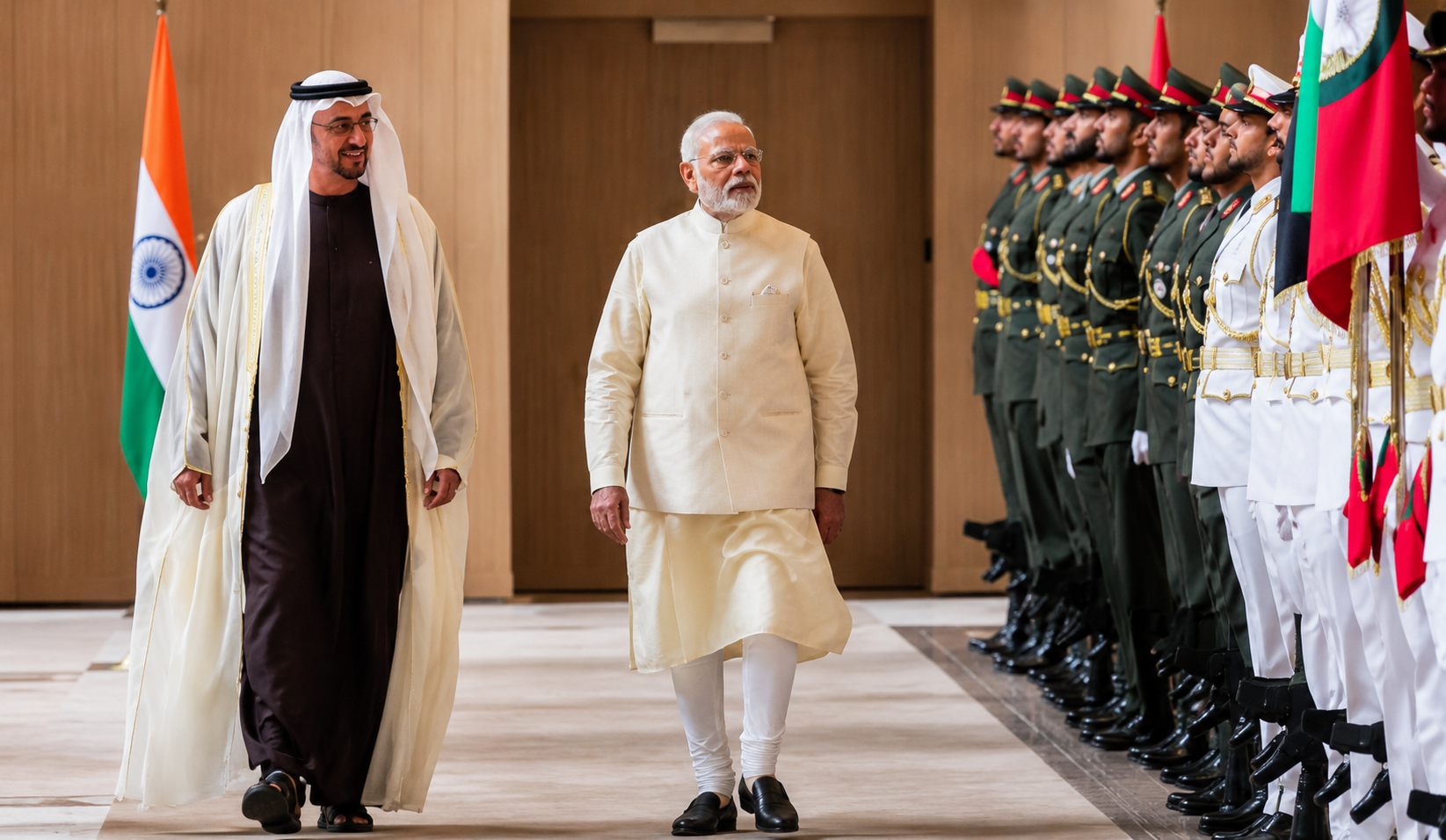
The tour opened in Abu Dhabi on May 15, where Prime Minister Modi met UAE President Sheikh Mohamed bin Zayed Al Nahyan — a leader he has consistently referred to as a 'brother' — in what has become one of the most personally warm and strategically productive bilateral relationships in Indian diplomacy. The timing was deliberate. With the Strait of Hormuz under pressure from the Iran-Israel conflict, India's energy supply chains were under acute stress. Fourteen Indian LPG tankers had already navigated the Strait in the preceding weeks, but the threat of closure loomed large over India's energy planners.
The centrepiece of the Abu Dhabi visit was a Strategic Collaboration Agreement between the Abu Dhabi National Oil Company (ADNOC) and India's Strategic Petroleum Reserves Limited (ISPRL). The agreement is designed to bolster India's strategic petroleum reserves and create a more resilient energy supply architecture — one that can withstand geopolitical shocks in the Gulf. For a country that imports over 85 percent of its crude oil requirements, this was not a diplomatic nicety but a structural necessity.
Beyond energy, the two sides signed a Strategic Defence Partnership that deepens defence industrial collaboration, innovation, technology sharing, maritime security, and cyberdefence cooperation. A Ship Repair Cluster at Vadinar in Gujarat was also announced, complete with a skill development component — a direct boost to the Make in India initiative and a signal that the UAE-India relationship is moving well beyond trade into co-production and industrial partnership.
Perhaps the most forward-looking outcome of the Abu Dhabi stop was the agreement on an AI Supercomputer Cluster, with the UAE committing a USD 5 billion investment to fuel India's artificial intelligence ambitions. This is a significant bet on India's digital infrastructure at a moment when the global race for AI compute capacity is intensifying. The UAE, which has been aggressively positioning itself as a global AI hub through initiatives like the G42 group, sees India's vast talent pool and data ecosystem as a natural complement to its capital and infrastructure.
The UAE is India's third-largest trade partner and seventh-largest source of foreign investment. The 4.5-million-strong Indian community in the UAE — the largest expatriate group in the country — forms a living bridge between the two nations. Modi also took the occasion to condemn recent strikes against UAE territory and praised the UAE's measured restraint in the face of regional turbulence, reinforcing the personal and political trust that underpins this relationship.
Stop 2 — Netherlands: The Chip Deal, the Chola Plates, and a Strategic Upgrade
From Abu Dhabi, Modi flew to The Hague, where the Netherlands stop — spanning May 15 to 17 — proved to be among the most substantively rich legs of the entire tour. The Netherlands is India's largest trading partner in Europe, with bilateral trade reaching USD 27.8 billion in FY 2024-25. Dutch cumulative foreign direct investment in India stands at USD 55.6 billion, and more than 300 companies operate across both countries. Yet, despite this deep economic relationship, the two nations had never formally elevated their ties to a Strategic Partnership — until now.
Modi met Dutch Prime Minister Rob Jetten and was received by King Willem-Alexander and Queen Máxima in a formal audience that underscored the diplomatic weight of the visit. The two governments signed 17 Memoranda of Understanding spanning technology, water management, agriculture, green energy, and mobility. The relationship was formally elevated to a Strategic Partnership — a designation that carries both symbolic and practical significance in the architecture of India's foreign policy.
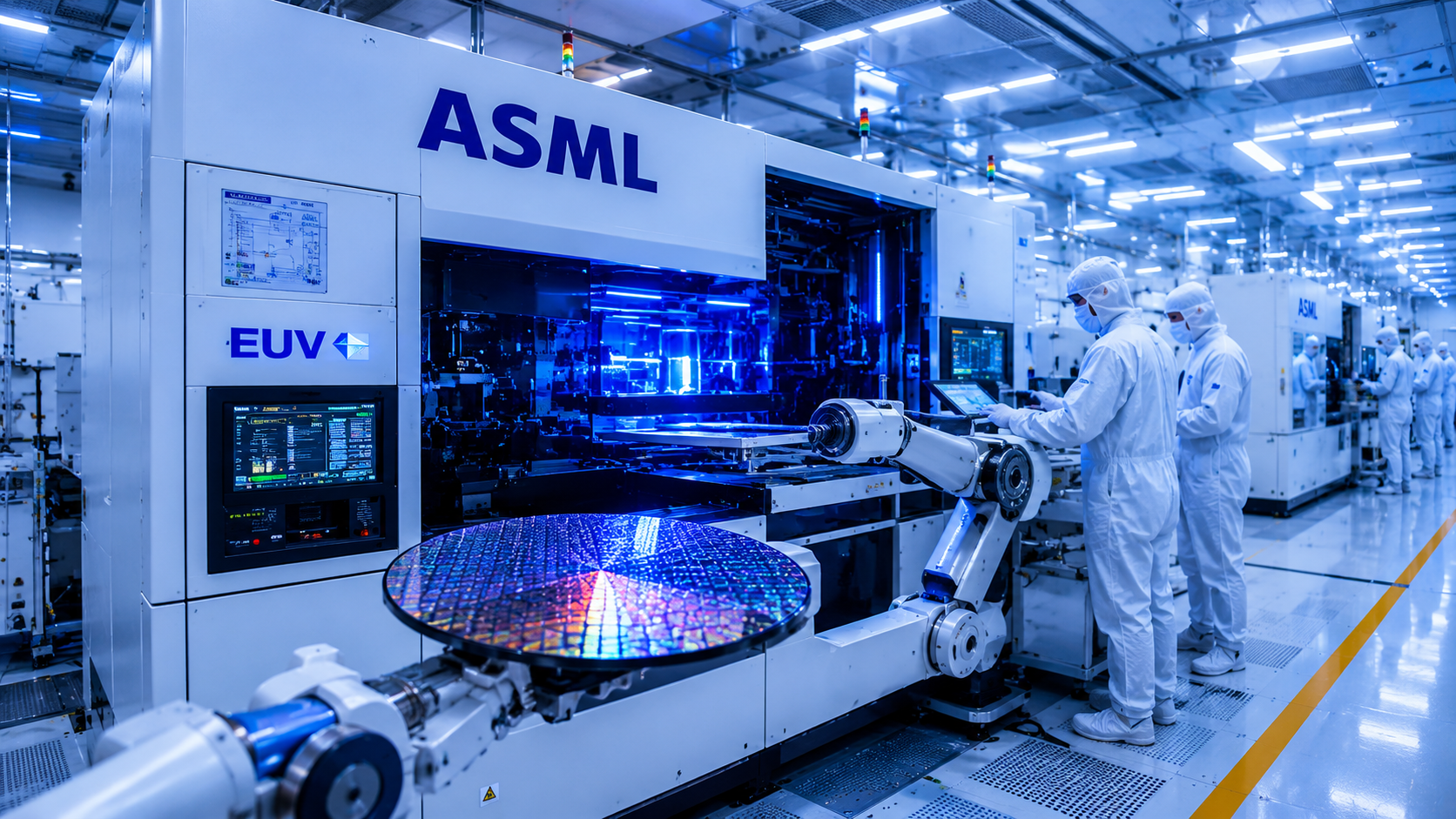
The headline outcome was a landmark semiconductor deal: Tata Electronics and ASML Netherlands signed a strategic partnership for equipment supply for Tata's upcoming semiconductor fabrication facility in Dholera, Gujarat. ASML — the Dutch company that holds a near-monopoly on the extreme ultraviolet lithography machines that are essential for manufacturing advanced chips — will enable the establishment and ramp-up of the Dholera fab with its holistic suite of lithography tools. This is a watershed moment for India's semiconductor ambitions. Access to ASML's technology has been a geopolitical flashpoint globally, with the United States and the Netherlands restricting its export to China. India's ability to secure this partnership signals its standing as a trusted technology partner in the Western-led semiconductor supply chain.
Equally significant — and deeply emotional for India's cultural heritage community — was the formal repatriation of the Leiden Plates: 11th-century Chola dynasty copper plates that had been held in the Netherlands for decades. In a formal ceremony at The Hague attended by both Prime Ministers, the plates were handed over to India. The Chola copper plates are inscribed records of land grants and administrative orders from one of South India's greatest imperial dynasties, and their return is part of a broader global movement to repatriate cultural artefacts to their countries of origin.
Other significant outcomes included a Mobility Agreement that creates easier pathways for Indian professionals and students to work and study in the Netherlands; technical assistance for the Kalpasar Project in Gujarat, a massive water infrastructure initiative; a Centre of Excellence for floriculture in Tripura; and a Green Hydrogen cooperation framework under which the Netherlands will support India's National Green Hydrogen Mission. Modi and Jetten also toured the iconic Afsluitdijk Dam — a feat of Dutch water engineering that has long inspired Indian water management planners. The visit took place against the backdrop of accelerating India-EU Free Trade Agreement negotiations, with the Netherlands serving as a key advocate for India within the European Union.
Stop 3 — Sweden: A Royal Honour, Gripen Jets, and the Carl-Gustaf Factory
The Swedish leg of the tour, covering May 17 and 18 in Gothenburg, opened with a striking display of military protocol: Swedish Air Force Gripen fighter jets escorted Prime Minister Modi's aircraft into Swedish airspace — a gesture that carried both ceremonial and symbolic weight, given that India has long been in discussions about potential Gripen acquisitions and deeper defence cooperation with Saab, Sweden's premier defence manufacturer.
Bilateral trade between India and Sweden stands at USD 7.75 billion as of 2025, with more than 280 Swedish companies operating in India — including global giants like Volvo, Ericsson, SKF, and Sandvik. The two nations elevated their relationship to a Strategic Partnership, and the visit produced a rich set of outcomes across defence, technology, space, and culture.
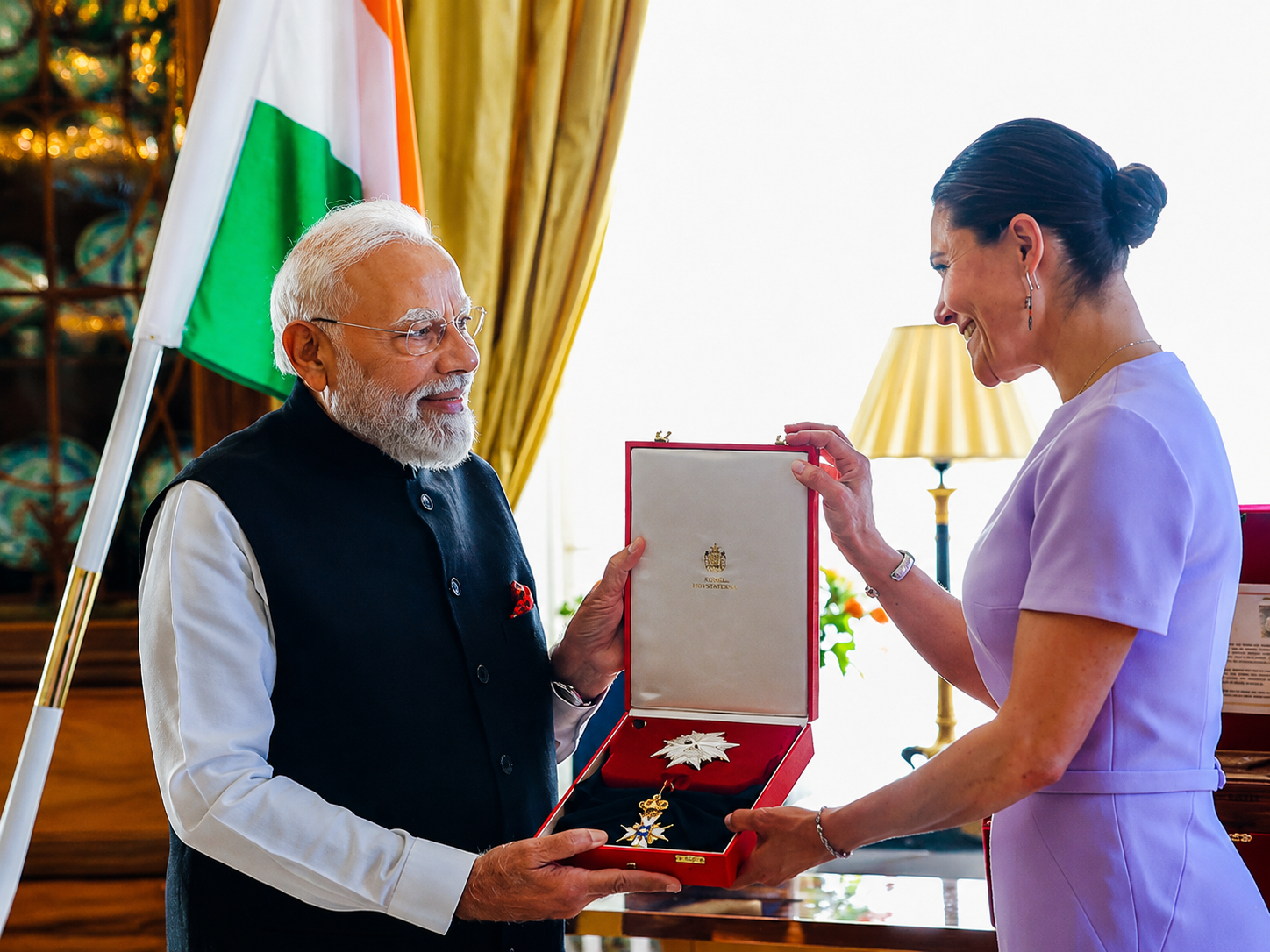
The most personally distinguished moment of the entire five-nation tour came in Gothenburg, where the Swedish King conferred upon Prime Minister Modi the Royal Order of the Polar Star Commander Grand Cross — Sweden's highest honour for a foreign head of government. Established in 1748, the Order of the Polar Star is one of the oldest and most prestigious royal orders in Europe. For Modi, it became his 31st international honour, a testament to the diplomatic capital he has accumulated over more than a decade as India's Prime Minister.
On the defence front, the visit produced a landmark announcement: Saab will establish the first Carl-Gustaf manufacturing facility outside Sweden in Jhajjar, Haryana. The Carl-Gustaf recoilless rifle system is one of the most widely used infantry weapons in the world, and this facility will mark India's first defence manufacturing initiative built entirely through foreign direct investment — a milestone for the Make in India programme and a signal that India's defence industrial ecosystem has matured to the point where global defence majors are willing to manufacture on Indian soil.
The two sides also agreed on an AI and deep tech cooperation framework, critical minerals cooperation — an area of growing strategic importance as the global clean energy transition accelerates demand for rare earths and battery materials — and space cooperation between ISRO and Swedish space entities. In a particularly high-profile moment, Modi and Swedish Prime Minister Ulf Kristersson jointly addressed the European Round Table for Industry (ERT) alongside EU Commission President Ursula von der Leyen, reinforcing India's positioning as a key partner in Europe's industrial and technological future.
The cultural dimension of the Sweden visit was equally memorable. Swedish opera singer Charlotta Huldt performed the bhajan 'Vaishnava Jana To' — the devotional hymn beloved by Mahatma Gandhi — in a gesture of cultural bridge-building that moved many in attendance. A Bharatanatyam recital and a showcase of Bengali cultural traditions rounded out an evening that demonstrated the depth of people-to-people connections between India and Sweden.
Stop 4 — Norway: The Arctic Frontier and India's Nordic Moment
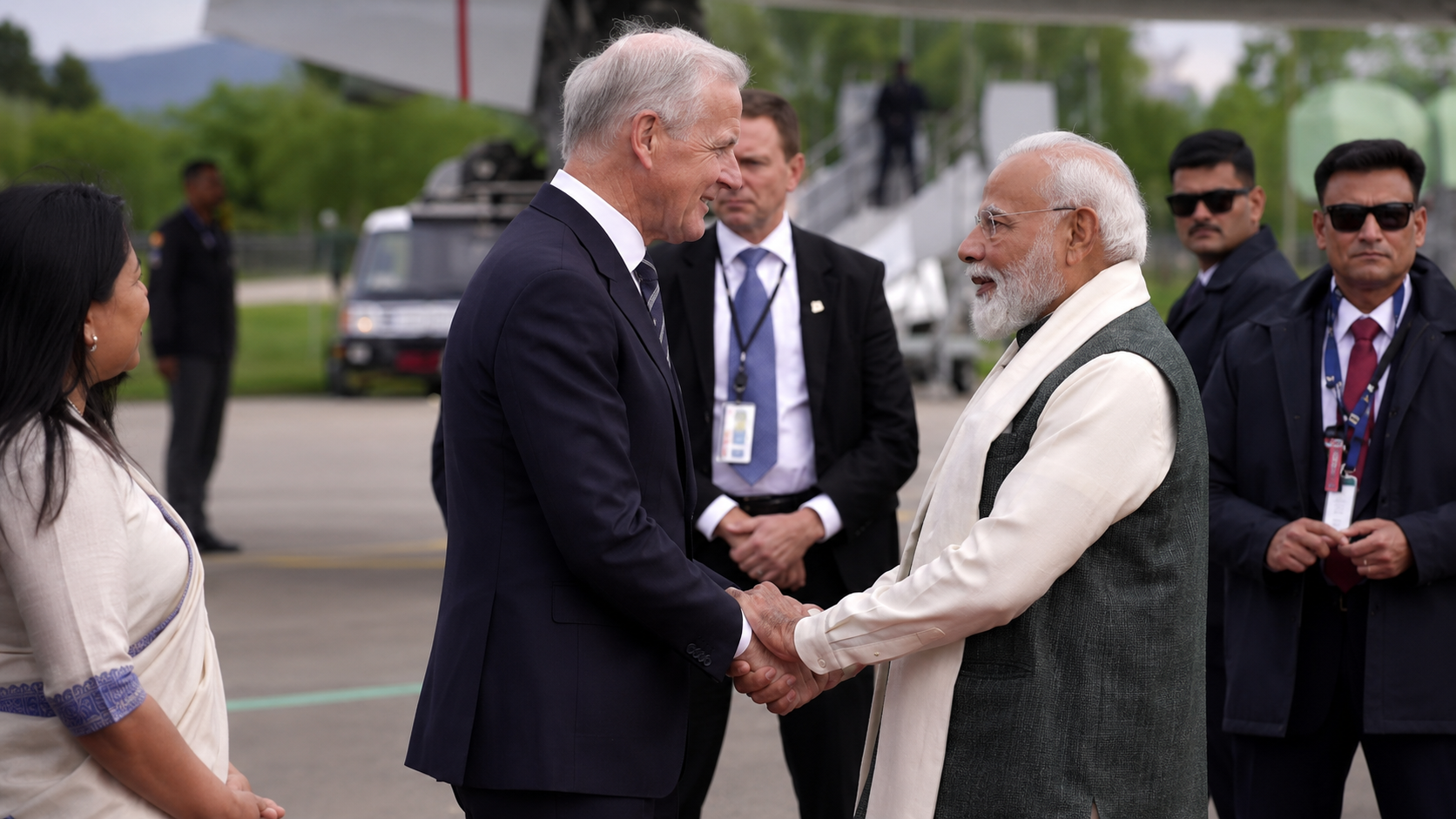
The Oslo leg of the tour carried a particular historical resonance: it was the first visit by an Indian Prime Minister to Norway in 43 years. That gap — spanning four decades and multiple governments in both countries — underscored how much had been left on the table in the India-Norway relationship, and how much ground Modi was determined to cover in a single visit.
Modi met Norwegian Prime Minister Jonas Gahr Støre and called on King Harald V and Queen Sonja in Oslo on May 18 and 19. Bilateral trade between India and Norway stands at USD 2.73 billion as of 2024 — modest by the standards of the other stops on this tour, but with enormous potential given Norway's strengths in energy, maritime technology, aquaculture, and clean tech. Norway's Government Pension Fund Global (GPFG) — the world's largest sovereign wealth fund, managing approximately USD 2 trillion in assets — already has an estimated USD 28-30 billion invested in Indian capital markets, making Norway one of India's most significant institutional investors.
The centrepiece of the Norway visit was the 3rd India-Nordic Summit, held in Oslo on May 19. Modi was joined by the Prime Ministers of all five Nordic nations: Jonas Gahr Støre of Norway, Mette Frederiksen of Denmark, Petteri Orpo of Finland, Kristrún Frostadóttir of Iceland, and Ulf Kristersson of Sweden. The India-Nordic Summit format is a rare diplomatic distinction — only the United States has a comparable summit framework with the Nordic nations. The summit produced a unified statement of support from all five Nordic nations for India's bid for a permanent seat on the United Nations Security Council — a significant diplomatic achievement that reflects India's growing standing in the international order.
A Green Strategic Partnership was announced between India and Norway, and approximately 18 Memoranda of Understanding were signed covering space cooperation, Digital Public Infrastructure, health, maritime collaboration, and clean energy. Norway, as Europe's largest gas and oil supplier, is a critical partner for India's energy security calculus, and long-term LNG and fuel supply agreements were a key part of the bilateral outcomes.
The Arctic dimension of the Norway visit was particularly forward-looking. India is an observer state at the Arctic Council, and Norway — with its deep expertise in Arctic navigation, resource extraction, and environmental stewardship — is a natural partner for India's Arctic ambitions. As climate change opens new maritime trade routes through the Arctic, and as the region's mineral resources become increasingly accessible, India's engagement with Norway positions it to benefit from what could be one of the most significant geopolitical shifts of the coming decades.
An India-Norway Business and Research Summit brought together industry leaders and academics from both countries, and the maritime dimension of the relationship was highlighted by the fact that Indian shipyards account for approximately 11 percent of the Norwegian Shipowners' Association's order book — a commercial relationship that is both substantial and growing.
Stop 5 — Italy: IMEEC, Defence Co-Production, and the Western Anchor
The final stop of the tour brought Modi to Rome on May 19 and 20, where he met Prime Minister Giorgia Meloni and was received by President Sergio Mattarella. The India-Italy relationship has undergone a quiet but significant transformation in recent years, driven in large part by the personal chemistry between Modi and Meloni — two leaders who share a broadly similar political worldview and have invested in building a genuine bilateral partnership. Meloni's first state visit after assuming power was to India in March 2023, a gesture that set the tone for the relationship.
Bilateral trade between India and Italy stands at USD 16.77 billion as of 2025, with cumulative Italian FDI in India at USD 3.66 billion. The two sides reviewed and discussed implementation of the Joint Strategic Action Plan 2025-2029, a roadmap that covers defence, trade, culture, science, and technology cooperation.
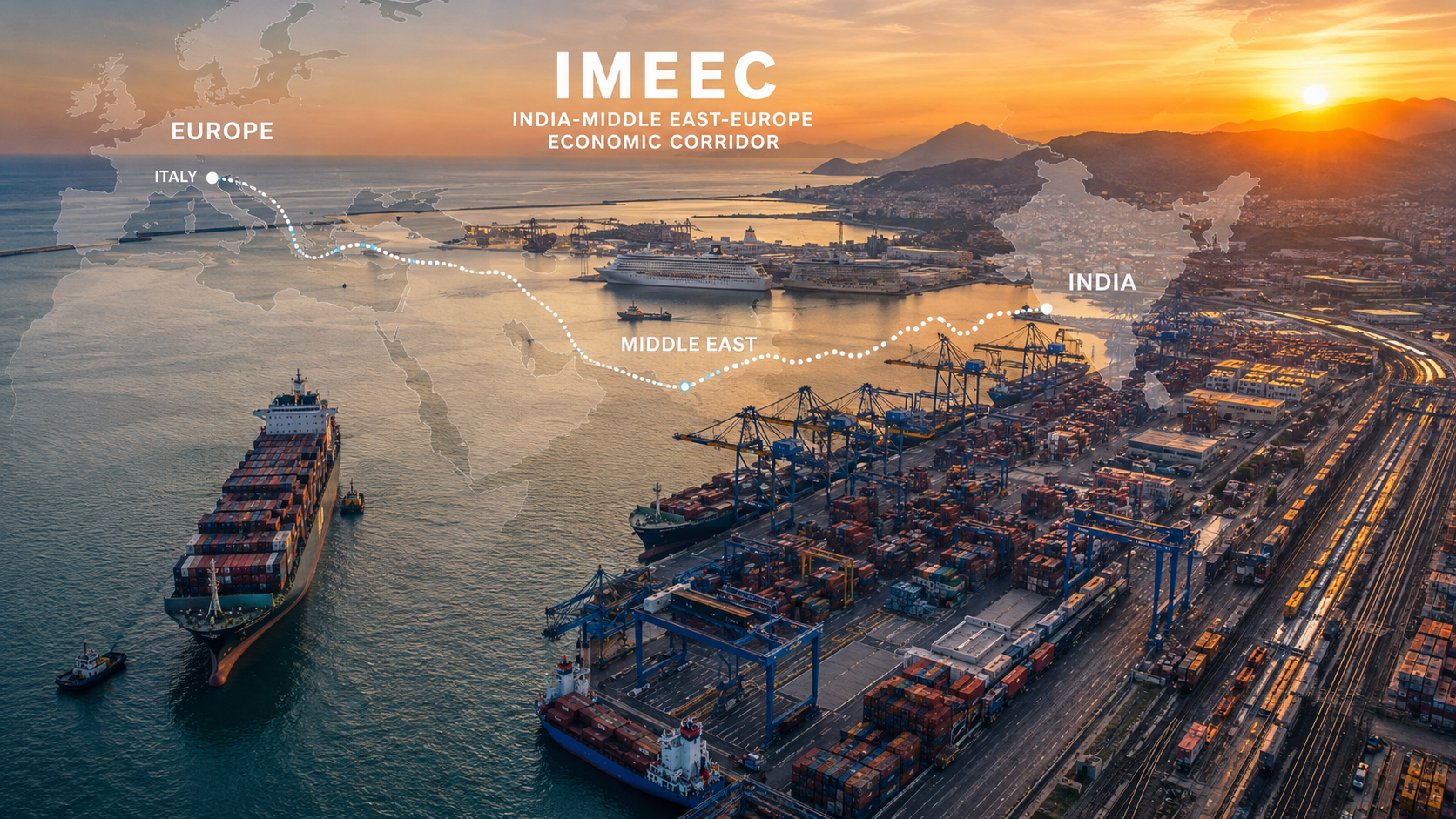
The most strategically significant outcome of the Rome visit was the reaffirmation of both countries' commitment to the India-Middle East-Europe Economic Corridor (IMEEC) — the ambitious connectivity project that envisions a network of rail, road, and shipping links connecting India to Europe via the Gulf. Italy serves as the western anchor of IMEEC, and its political commitment to the project is essential for its realisation. In a geopolitical environment where China's Belt and Road Initiative continues to expand, IMEEC represents the democratic world's most credible alternative connectivity framework, and India-Italy alignment on this project carries significant strategic weight.
The two sides also agreed on a defence industrial framework for the co-production of military hardware — a step that reflects Italy's strengths in aerospace, naval systems, and land platforms, and India's growing appetite for defence co-production partnerships that build domestic industrial capacity. Trade expansion agreements were reached to give India's textile, automobile, and IT sectors easier access to European markets through Italy's position as a major EU economy. Italy is also a member of the International Solar Alliance (ISA), the Coalition for Disaster Resilient Infrastructure (CDRI), the Indian Ocean Rim Association (IORA), and the Indo-Pacific Oceans Initiative (IPOI) — multilateral frameworks that India has championed and that form an important part of its global governance agenda.
India's New Diplomatic Geometry
Taken together, Modi's May 2026 five-nation tour represents a landmark moment in India's diplomatic history. In six days, India secured technology sovereignty through the ASML-Tata semiconductor partnership; energy security through the ADNOC-ISPRL agreement and Norway's LNG commitments; cultural heritage through the repatriation of the Chola copper plates; and diplomatic prestige through the Royal Order of the Polar Star — Modi's 31st international honour. Four nations — the Netherlands, Sweden, Norway, and Italy — elevated their relationships with India to Strategic Partnerships, and all five Nordic nations endorsed India's bid for a permanent seat on the UN Security Council.
The tour also opened new frontiers — Arctic access through Norway, deep tech collaboration through Sweden, water and green hydrogen cooperation through the Netherlands, and IMEEC's western anchor through Italy. The broader message is unmistakable: India is no longer a country that the world engages with out of obligation or opportunity. It is a country that the world's most advanced economies actively seek as a partner. With Modi's expected participation at the G7 summit in France in the coming weeks, India's diplomatic momentum shows no sign of slowing.
Related Topics:
"Curating the elite intersection of global culture, cinematic intelligence, high-end gastronomy, and the premium evolution of modern lifestyle."
" Tracking the massive architecture of global capital, sovereign wealth shifts, and the economic engines of the new world order."
"Curating the elite intersection of global culture, cinematic intelligence, high-end gastronomy, and the premium evolution of modern lifestyle."
"Decoding the high-stakes chess game of global statecraft, strategic diplomacy, and the shifting balance of world power."
" Tracking the massive architecture of global capital, sovereign wealth shifts, and the economic engines of the new world order."
The Sovereign Policy Desk
Decoding the high-stakes chess game of global statecraft, strategic diplomacy, and the shifting balance of world power.
Get the Weekend Intelligence Briefing
Sign up for the deepest geopolitical and tech insights sent directly to your inbox every Sunday.
No spam. Unsubscribe anytime. View our Privacy Policy.
Loading Next Story